US DOLLAR
 EURO
EURO
 AUSTRALIAN DOLLAR
 CANADIAN DOLLAR
 POUND STERLING





Product Description
For comparison prices, please see the "Old World Typology and Price Guide" section of the "OVERSTREET IDENTIFICATION AND PRICE GUIDE TO INDIAN ARROWHEADS" editions 7th, 8th and 9th.
SEE MORE LOWER PALEOLITHIC ACHEULEAN STONE ARTIFACTS
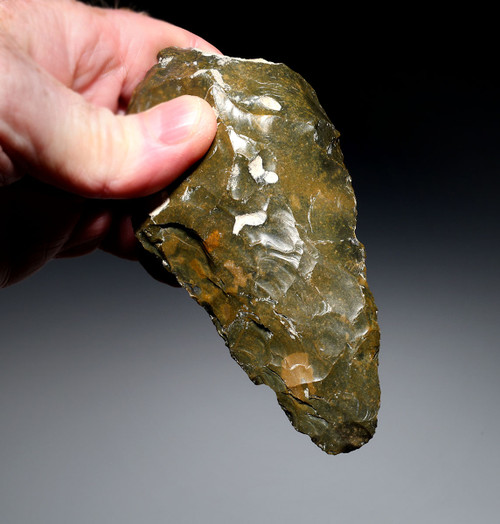
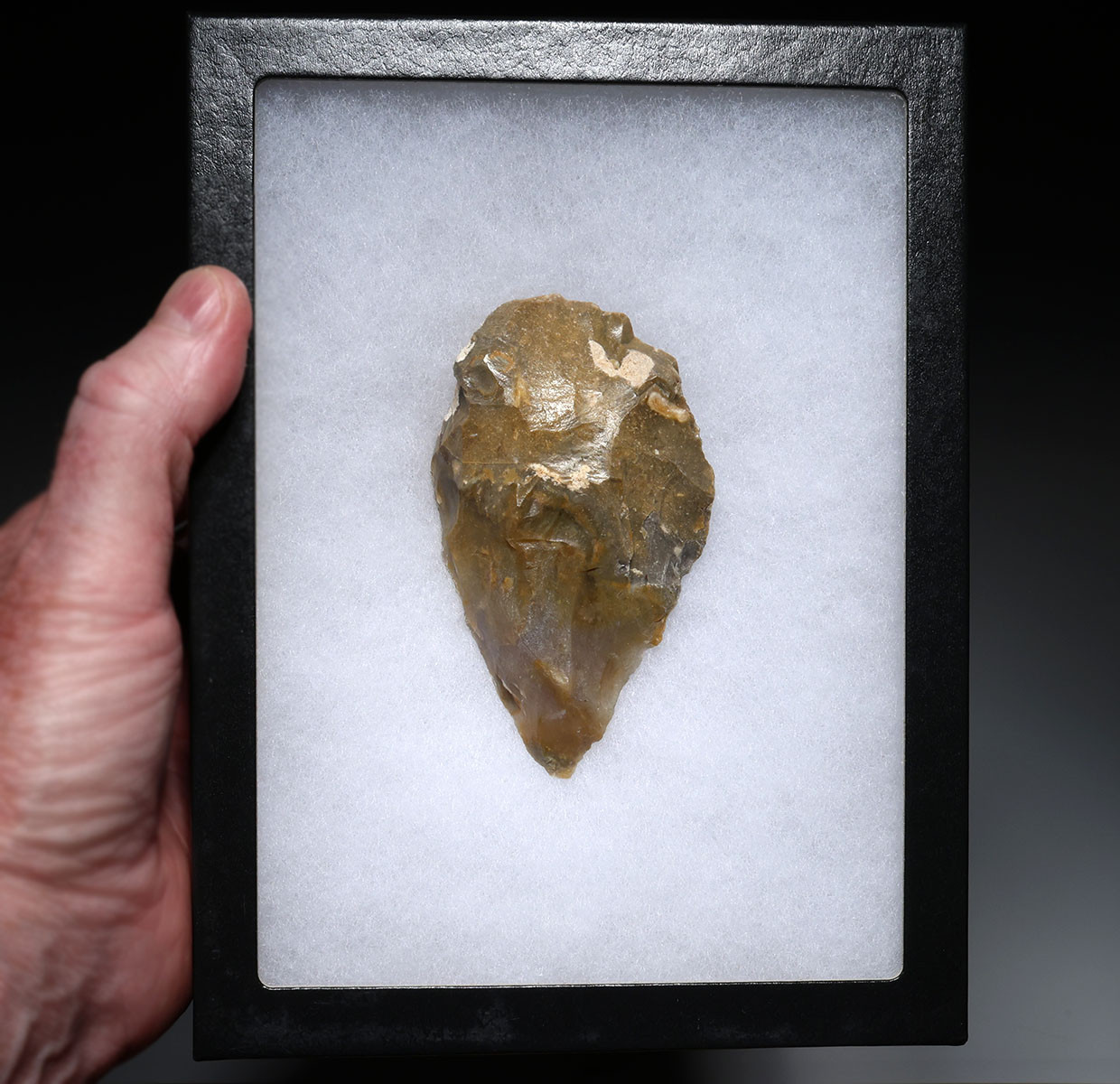
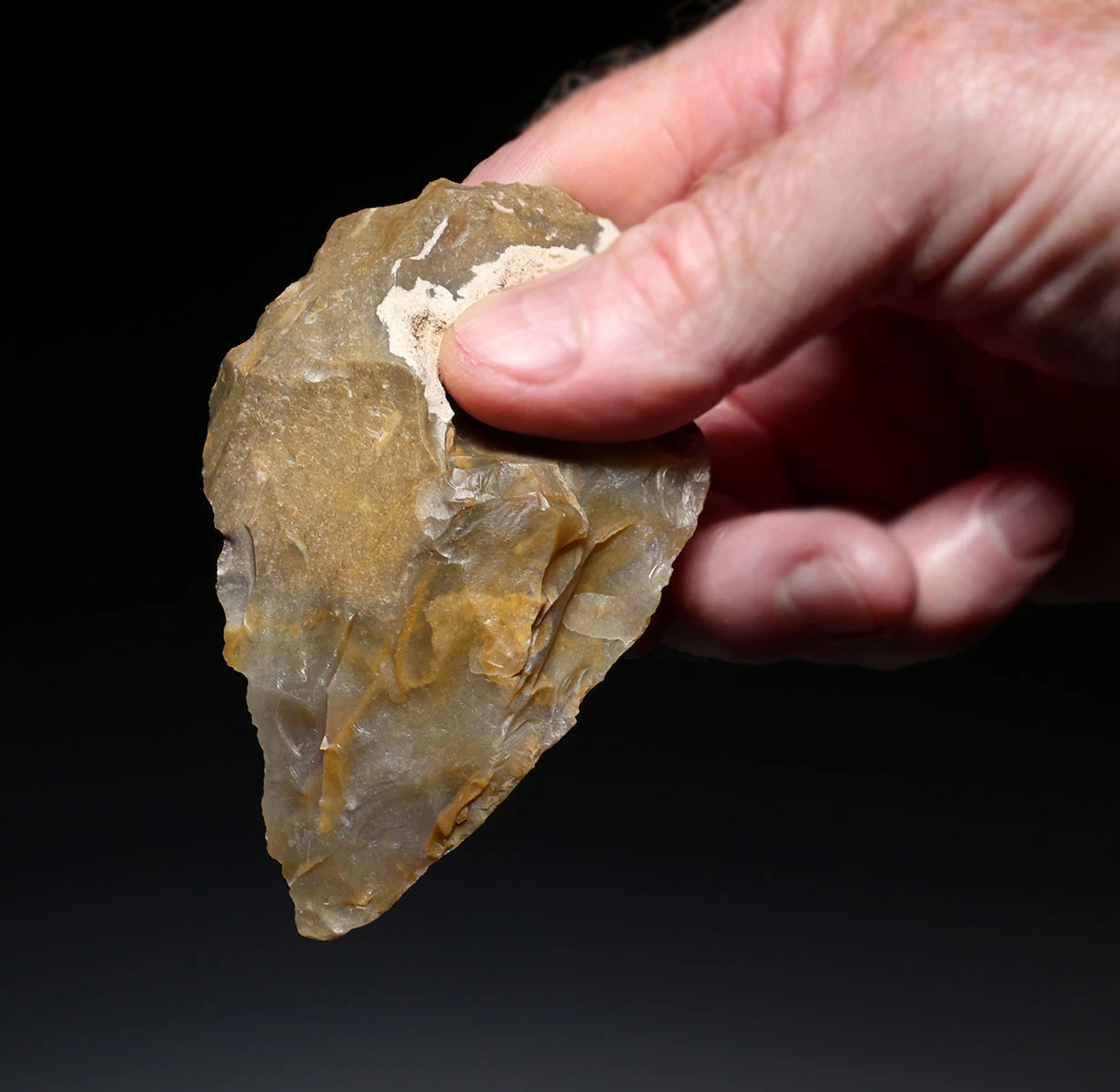
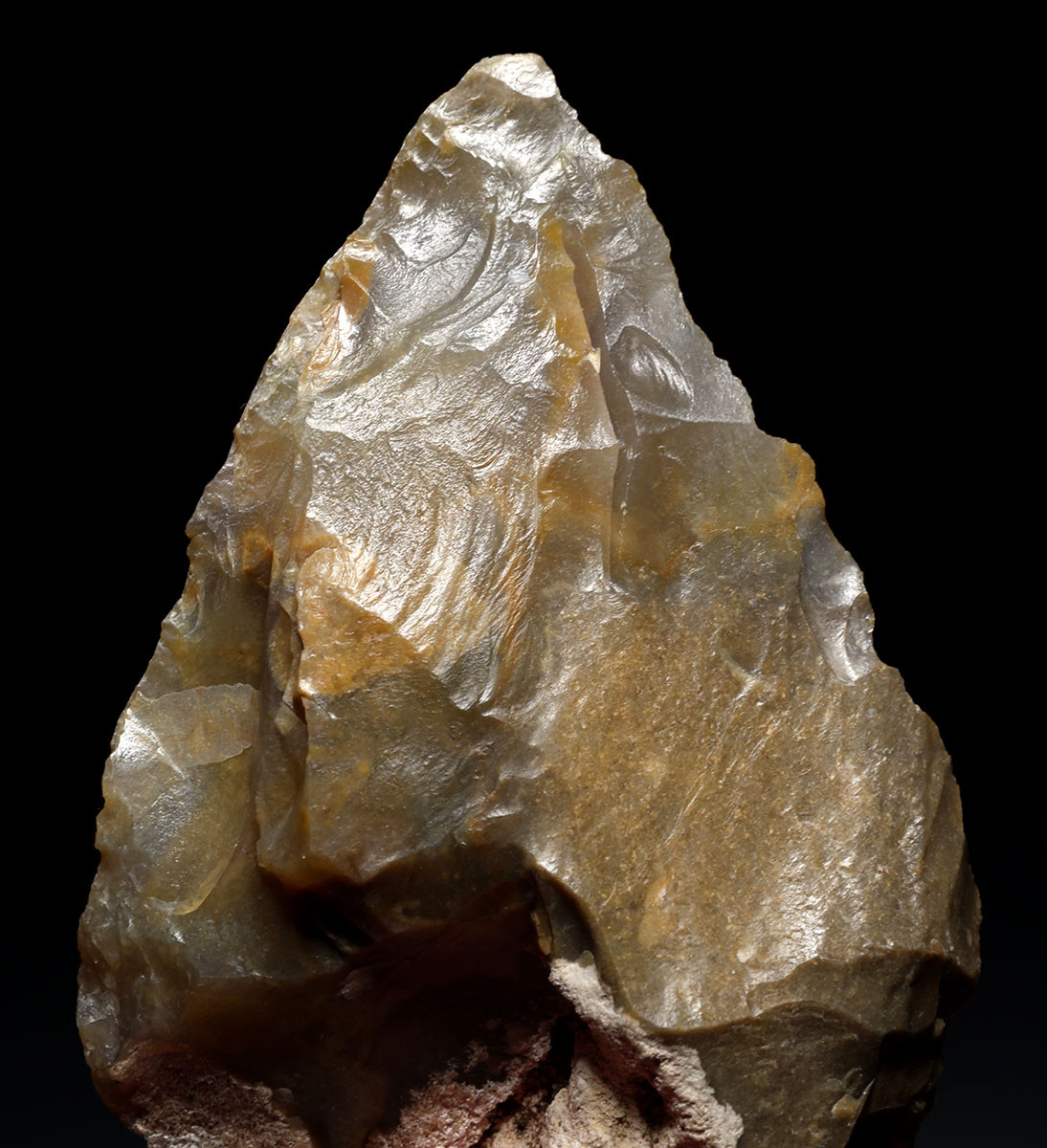
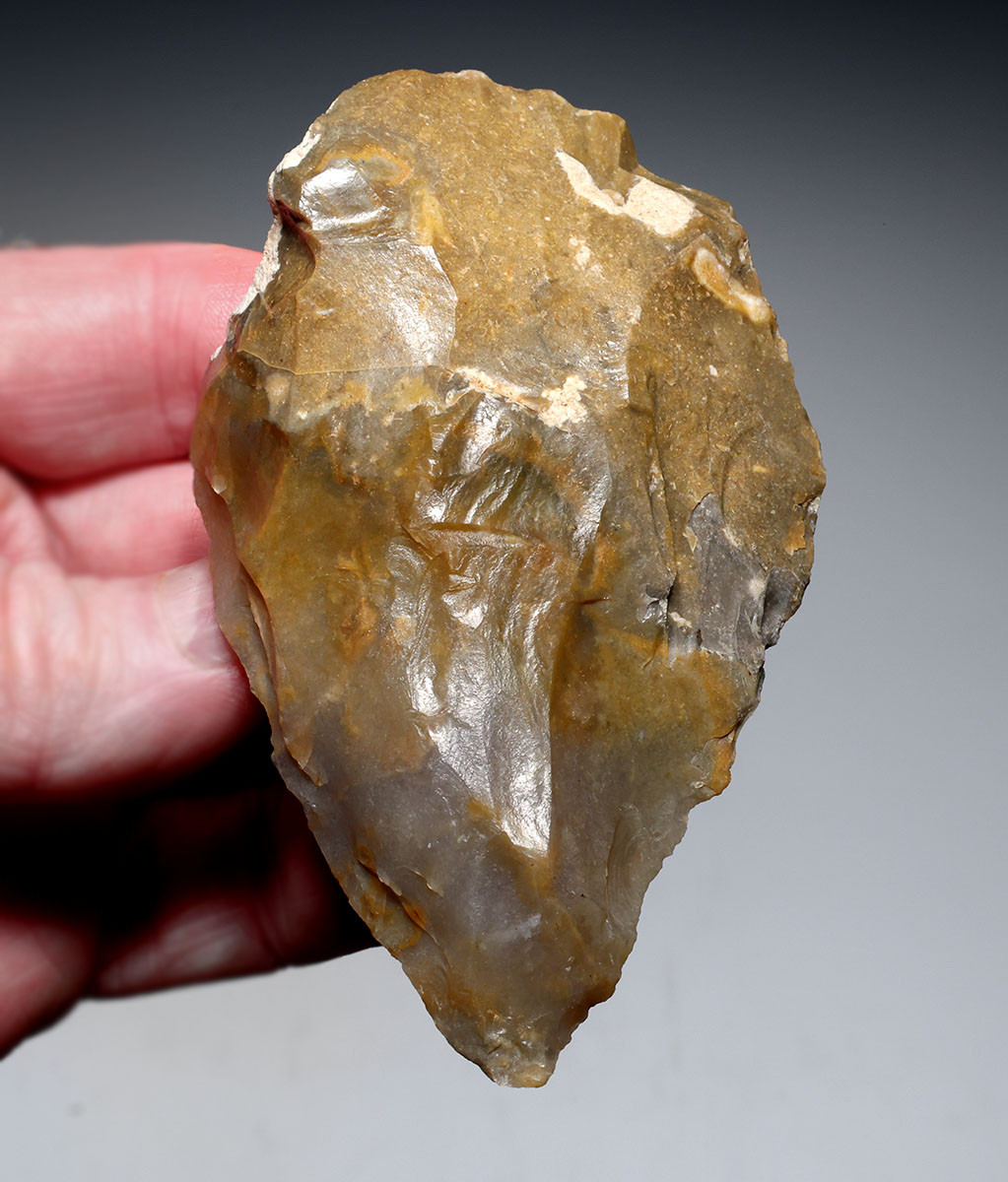
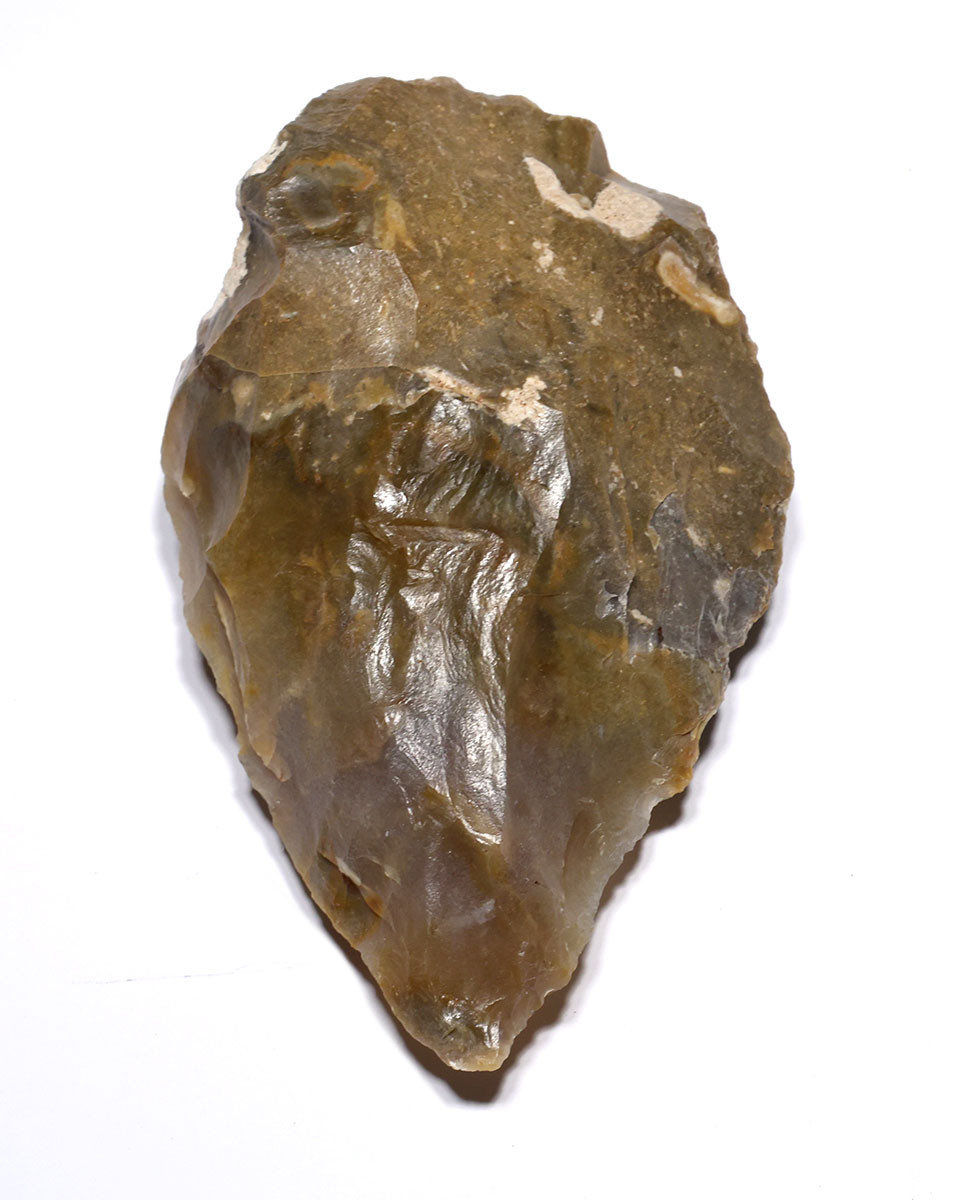
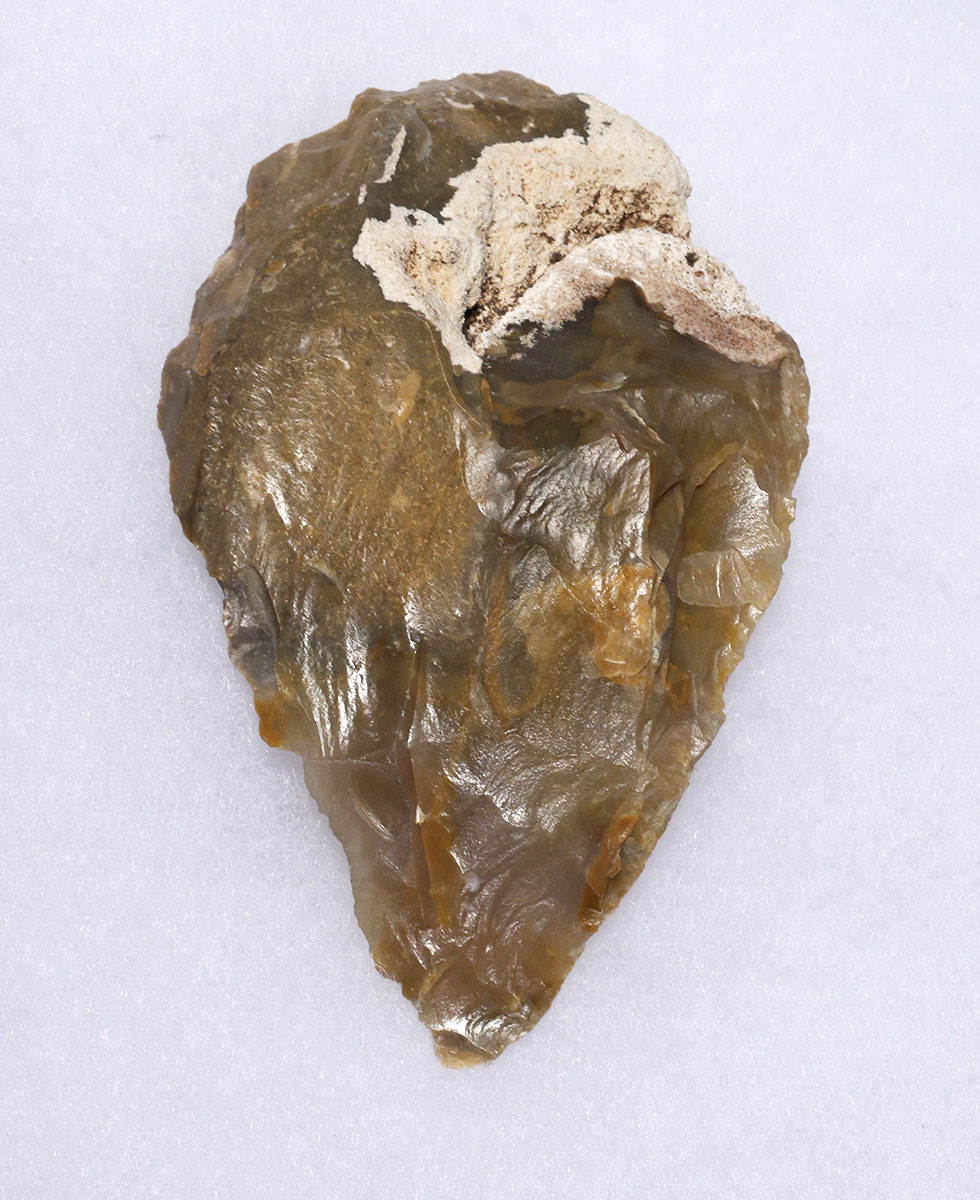
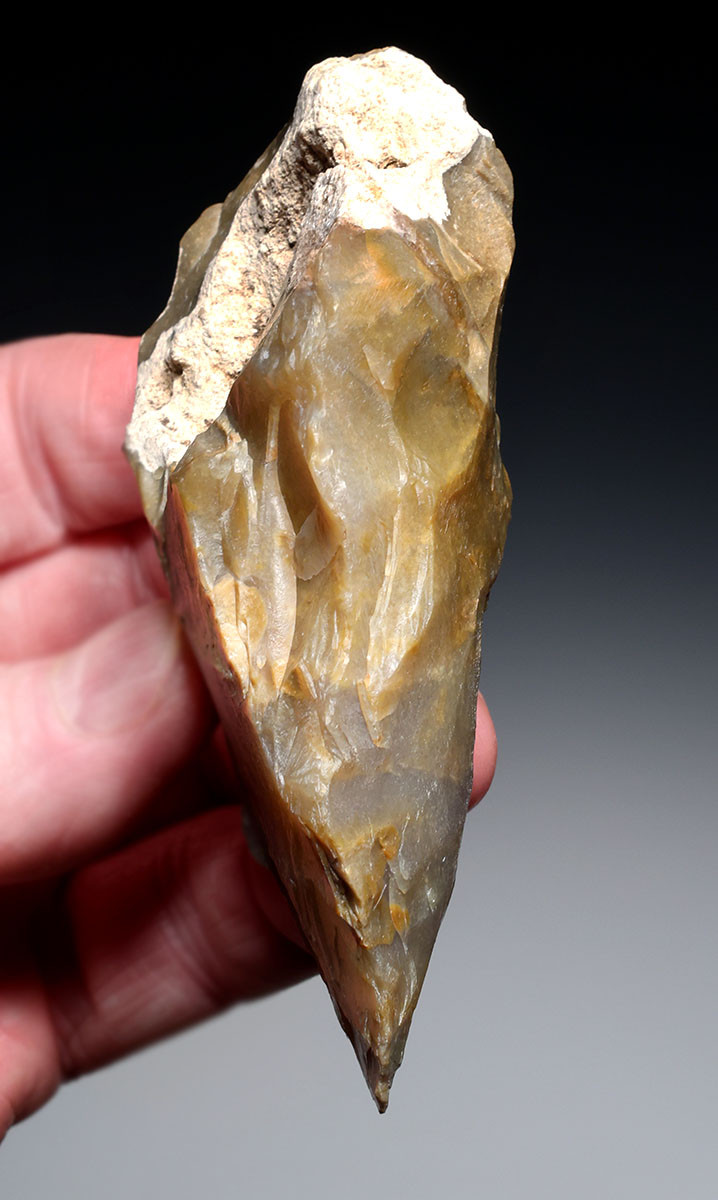
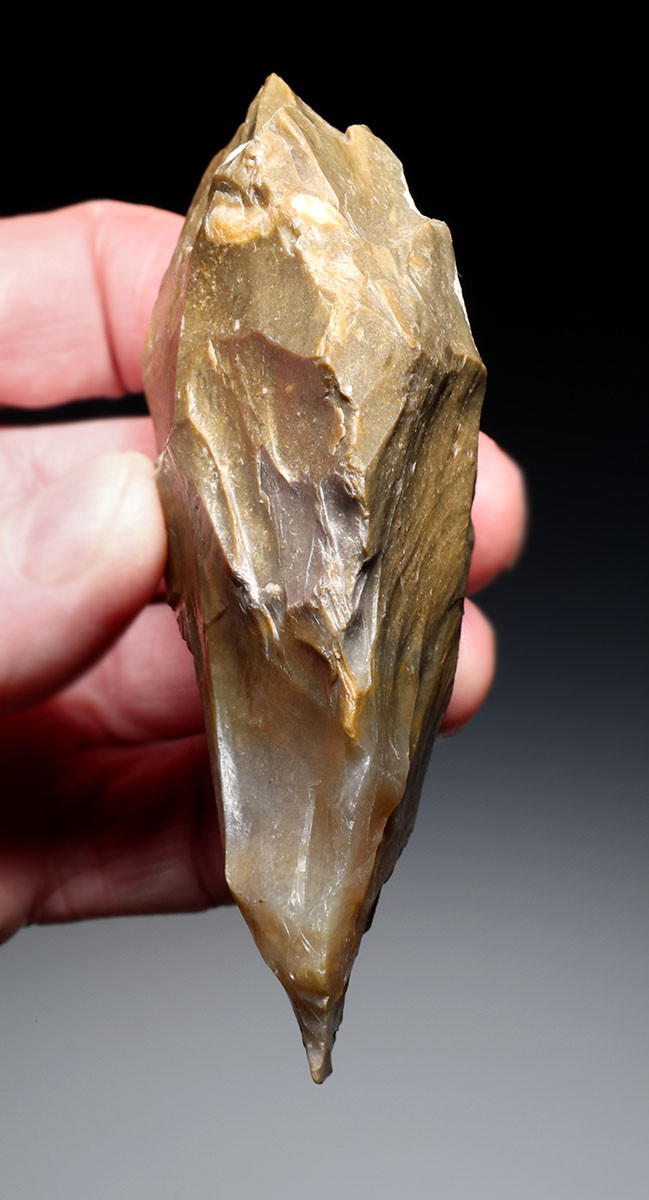
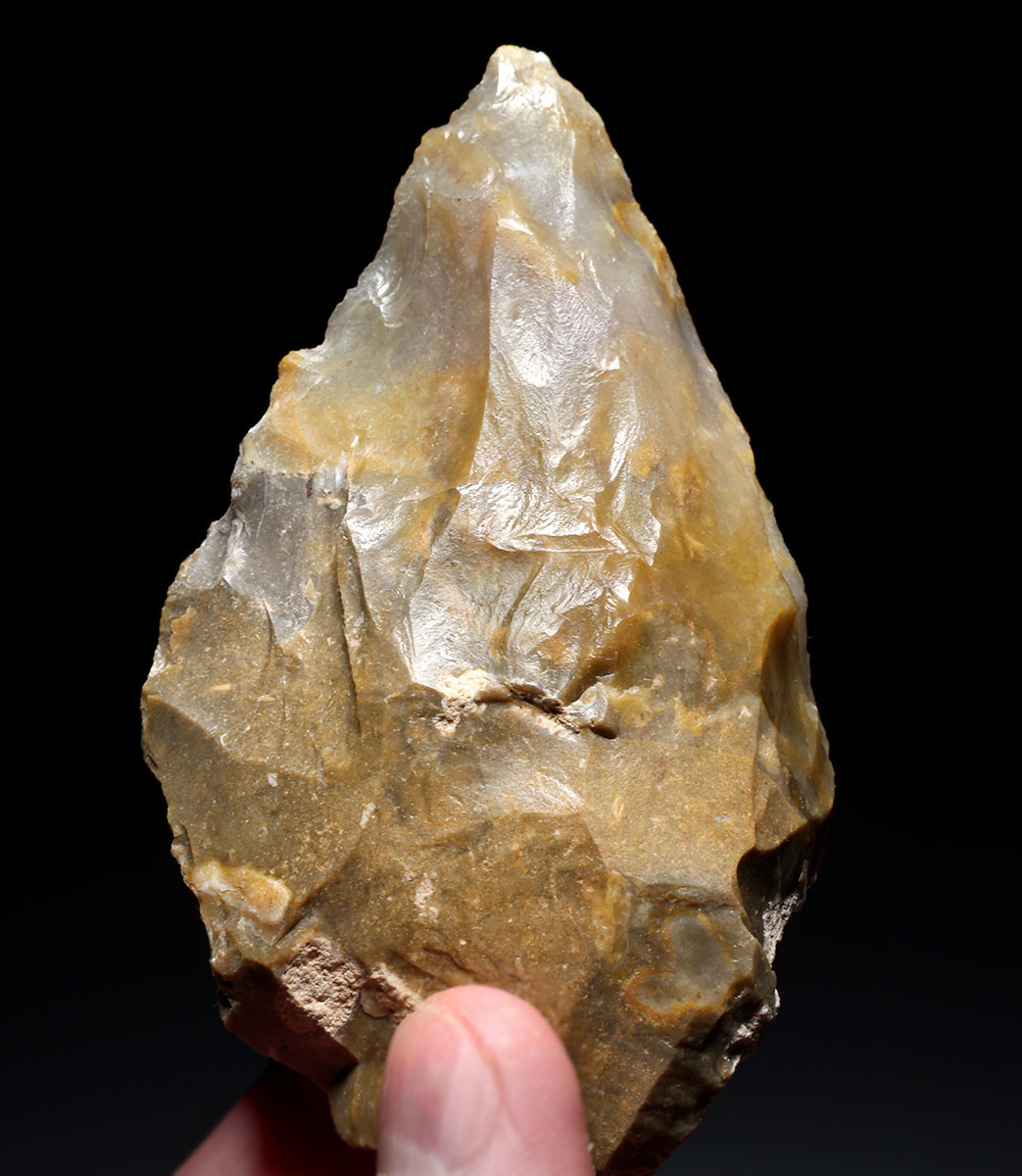
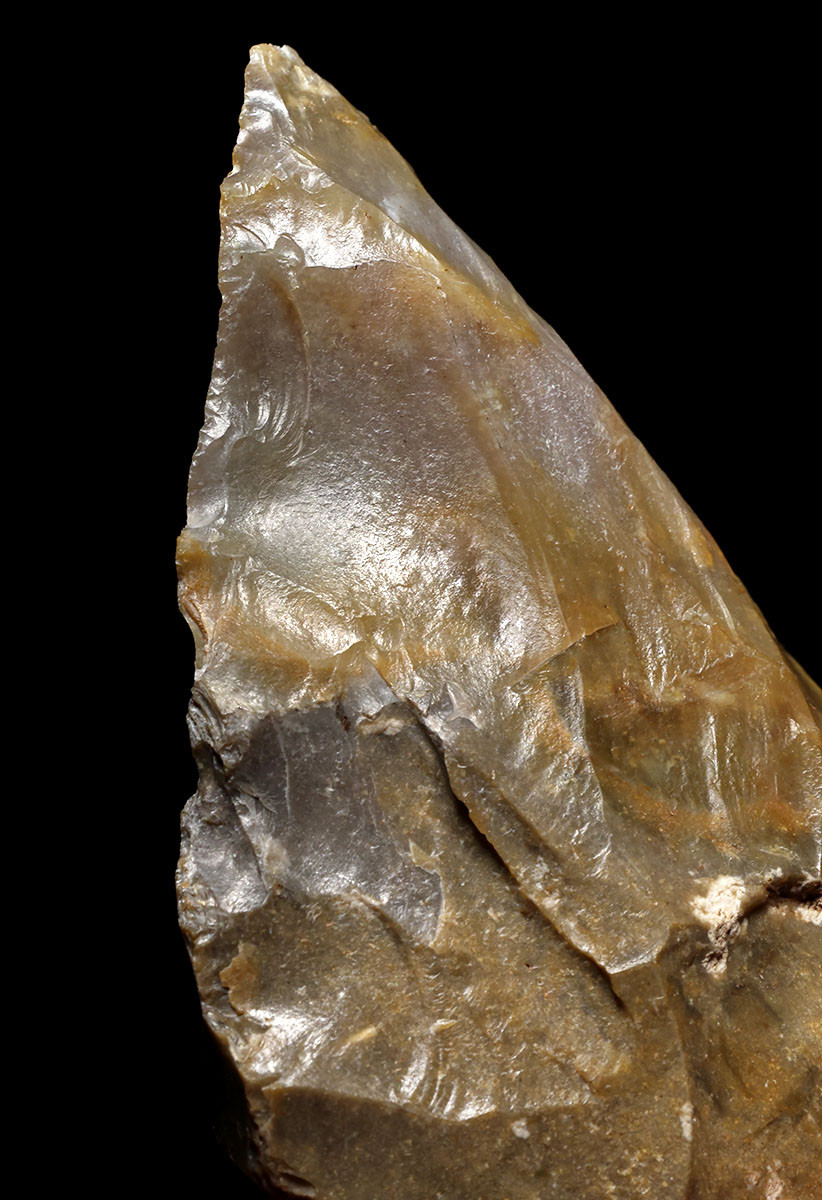
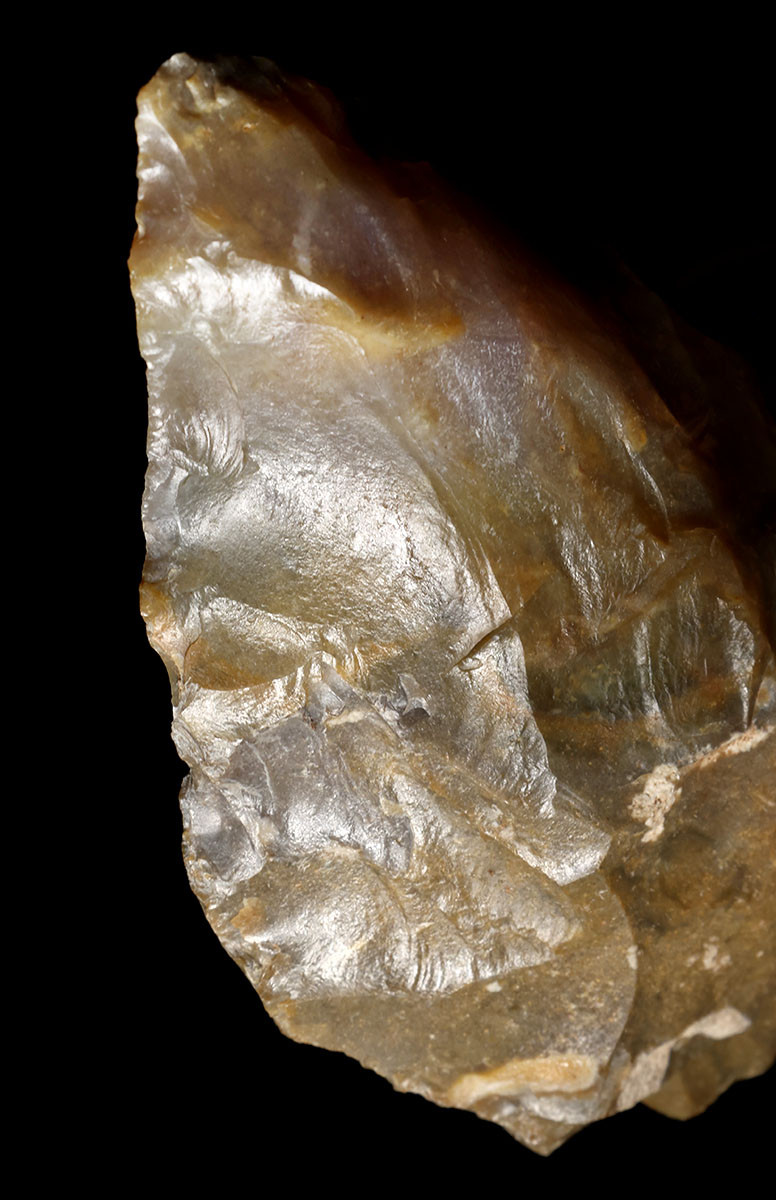
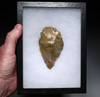
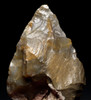
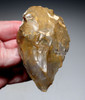
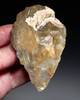
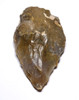
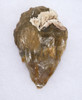
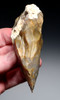
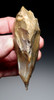
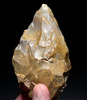
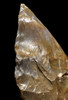
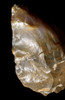
This superb European Acheulean flint bifacial hand axe was fashioned by Homo erectus (H. heidelbergensis), the first humans to occupy Europe. Acheulean industry tools are the first standardized tradition of tool-making of Homo erectus. This hand axe dates back to the Lower Paleolithic Period, made in the Acheulian Tradition, and was the predominant tool technology of the Homo heidelbergensis humans in Europe from 800,000 to 350,000 years ago. The amygdaloid (almond-shaped) form was masterfully flaked out of colorful flint by a highly skilled primitive human tool maker. The sharply pointed tip is still in perfect form as it was originally made which is rare for a hand axe of this age! Naturally lustrous soil sheen highlights the spectacular flaking on both sides. The grip on the proximal end shows some aesthetic sculptural features with natural holes in the flint and some original cortex kept to become a comfortable and functional hand grip on this intelligent and well-executed Homo heidelbergensis tool. An excellent tool for butchering the Ice Age large game animals of the day such as mammoth, bison, horse, and rhino.
Fine quality European Acheulean hand axes are far more rare than their Saharan counterparts and often move from one private collection to the next as many sites are now destroyed, built over or protected. In the past decades, European auctions have routinely set records for the highest prices realized on spectacular examples of Prehistoric European stone tools like this. Finest grade specimens are so few in number while the buyer market continues to expand and chase after the best material with no apparent price ceiling in sight. Nevertheless, the prices STILL, are a paltry comparison to much of the more mature rare collectibles on the market and Paleolithic artifact prices still really don't reflect the substantially higher rarity of these artifacts. As ever-increasing buyer demand continues to pursue the best pieces, the actual number of this material is sobering and we are likely to see prices easily rise ten-fold on top-grade specimens, in the next several years. The words "undervalued" and "collectible" are seldom found together in today's world but the realm of European and African Paleolithic artifacts is one where you can still find an emerging market and one of the greatest promises for future investment.
From a very old former French collection. Today, digging for new specimens is forbidden and has been for decades with most of the best pieces being found in the first half of the last century. Finding an exquisite piece like this ONLY comes from coveted old collections in Europe and hand axes like this usually move from one collection to the next in private collector circles, rarely making it out of the country. Very highly recommended! No Paleolithic collection should be without representative tools of Europe's first humans!
WARNING: This specimen possesses a fine prehistoric patina and mineral deposits. Such traits are missing in the fake tools being passed off as genuine tools by fraudulent and/or uninformed dealers selling in auctions, online, at shops and shows. The market is currently awash in fakes and ancient debris shards sold as genuine Paleolithic tools. Make sure you get an unconditional certificate of authenticity and know your dealer is knowledgeable AND informed.