 US DOLLAR
 EURO
EURO
 AUSTRALIAN DOLLAR
 CANADIAN DOLLAR
 POUND STERLING







Product Description
SEE MORE ACHEULEAN STONE AGE TOOLS
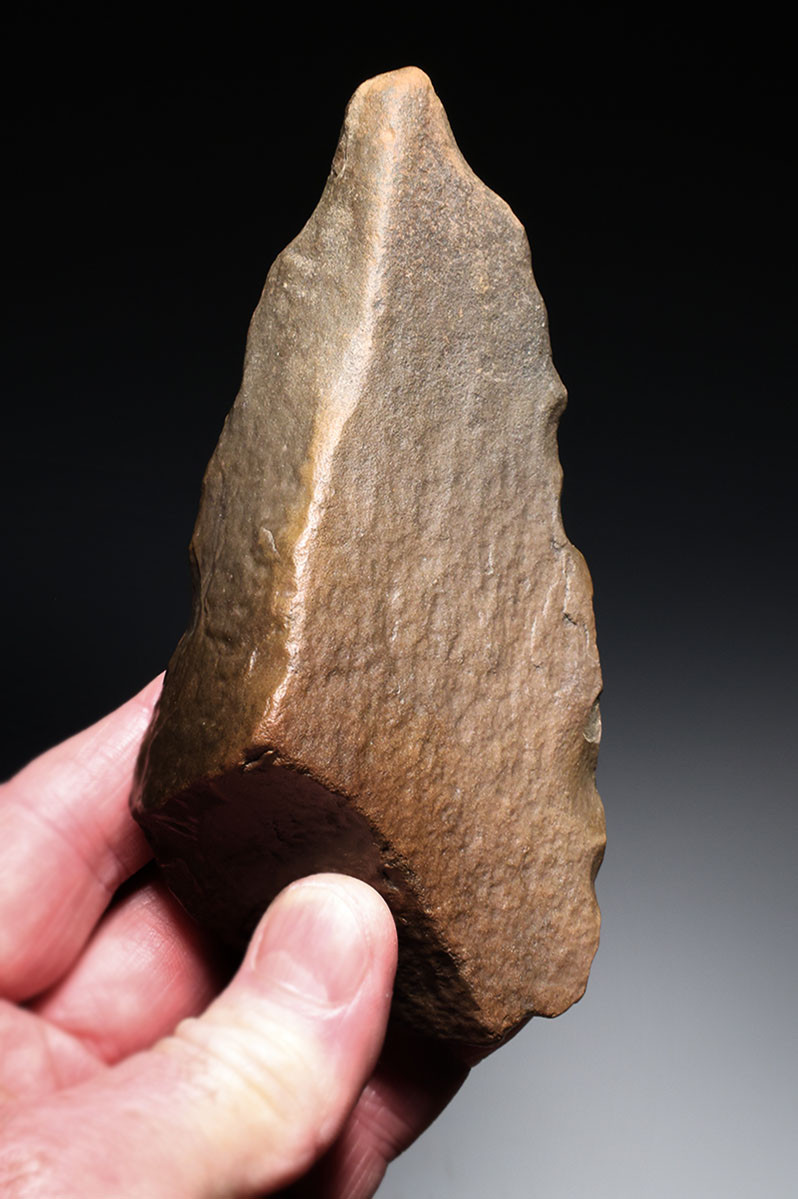
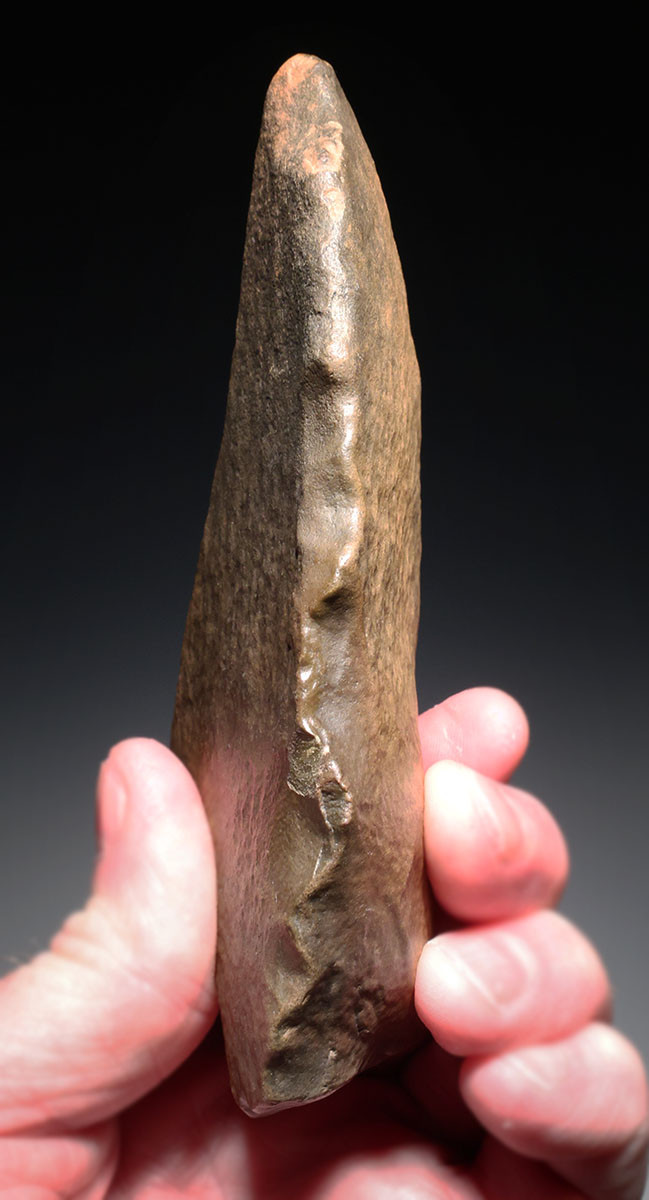
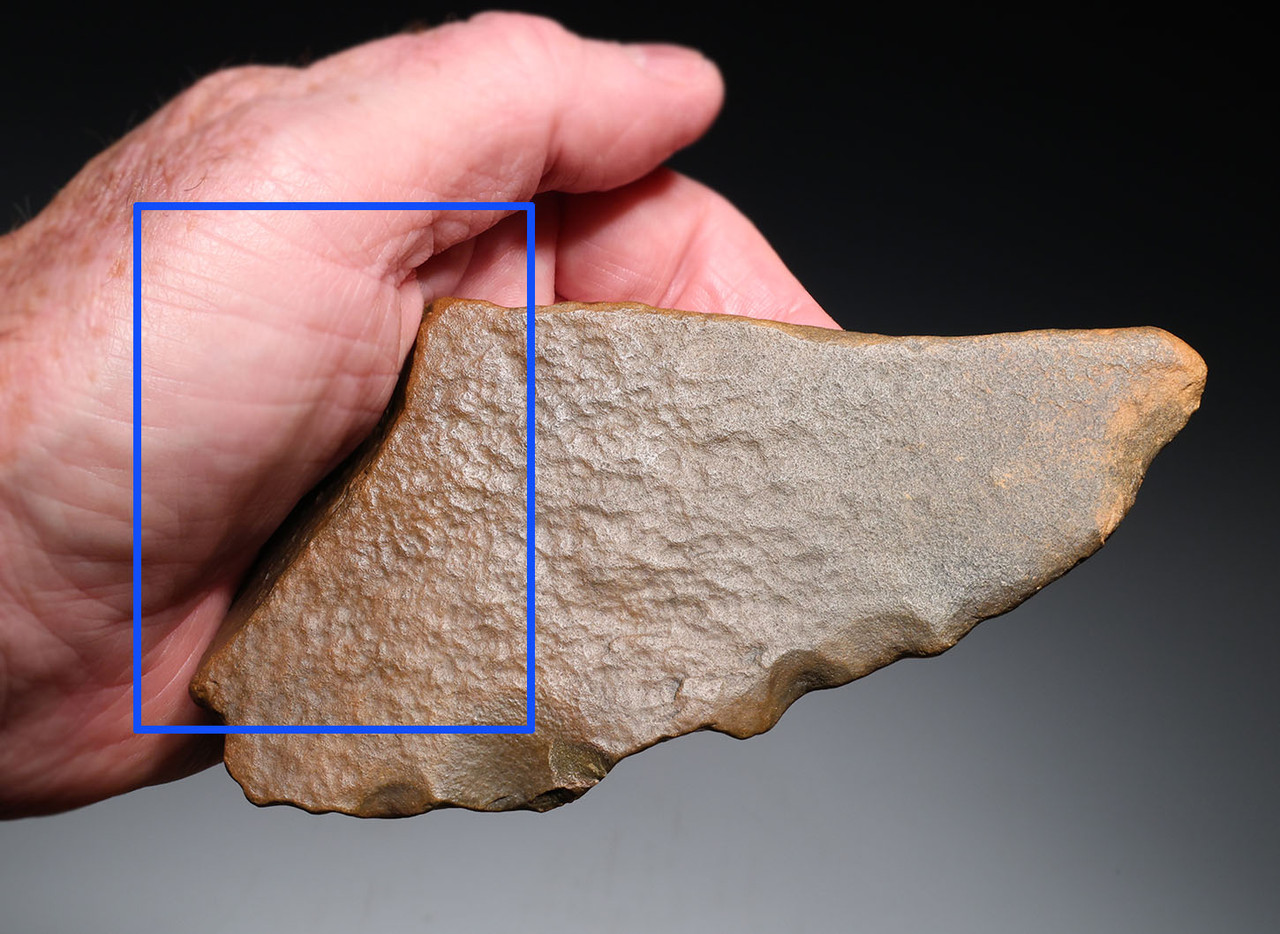
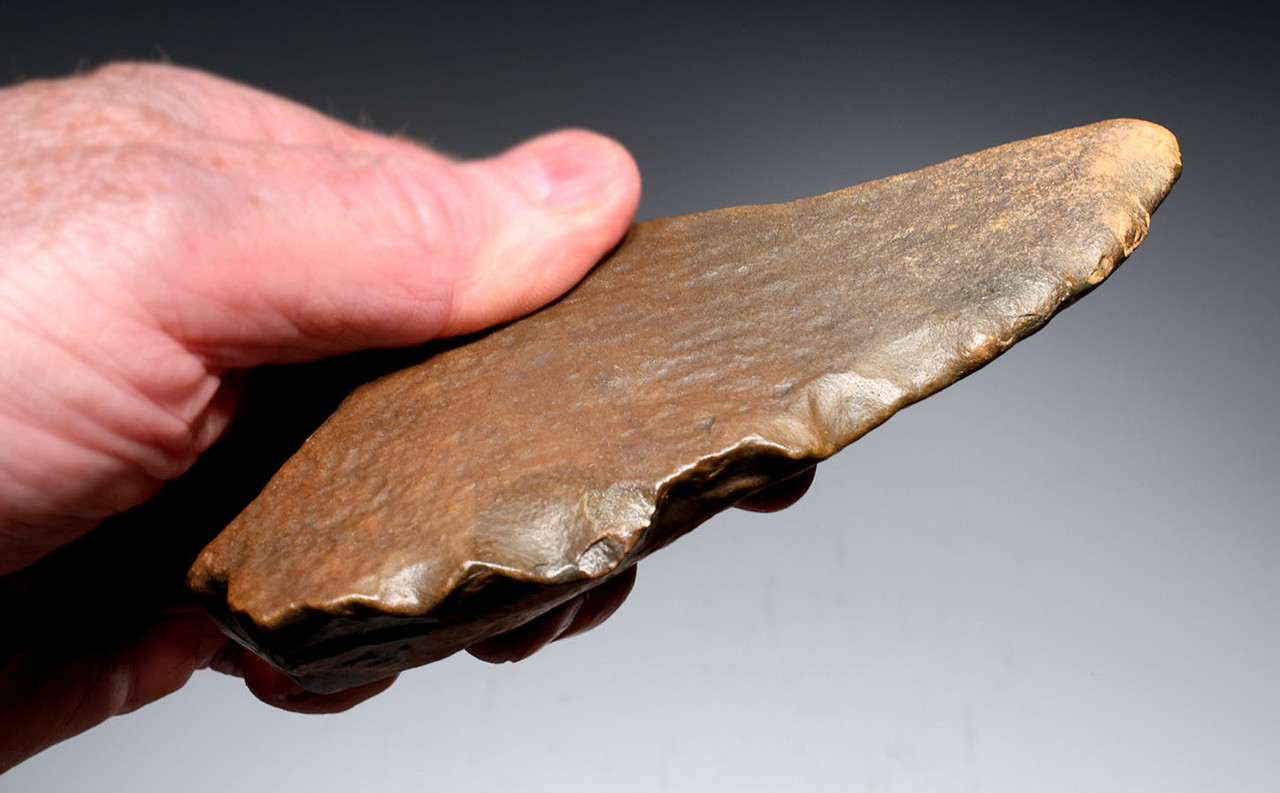
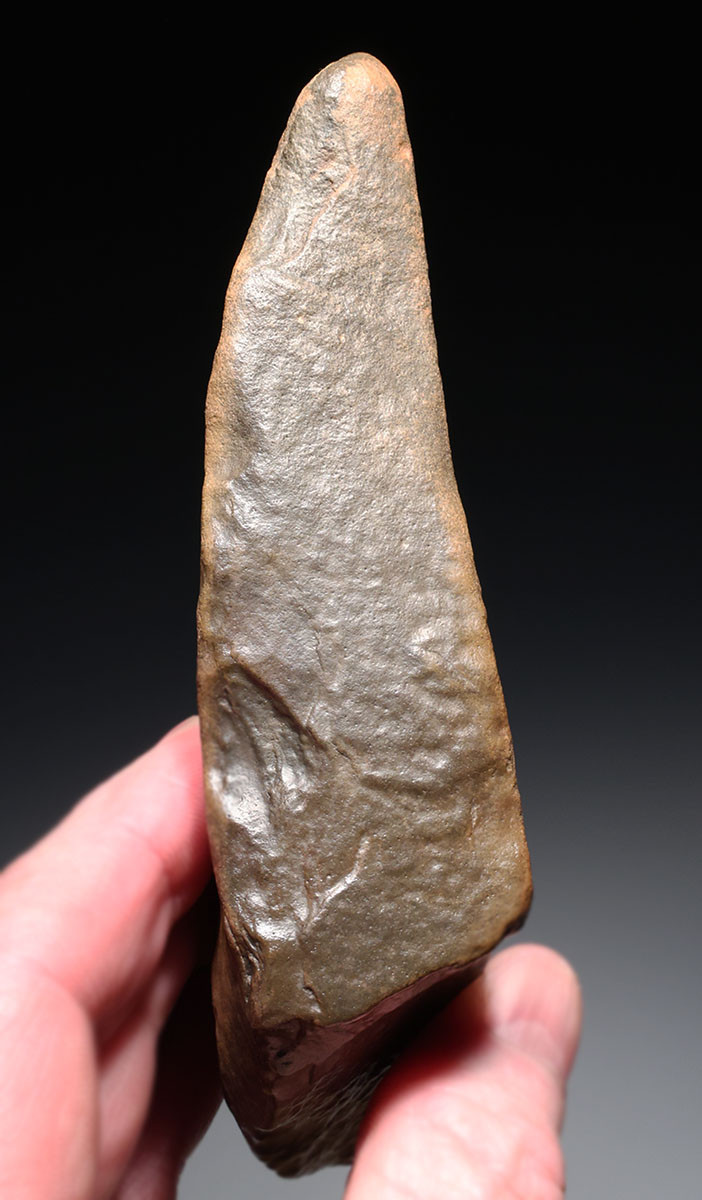
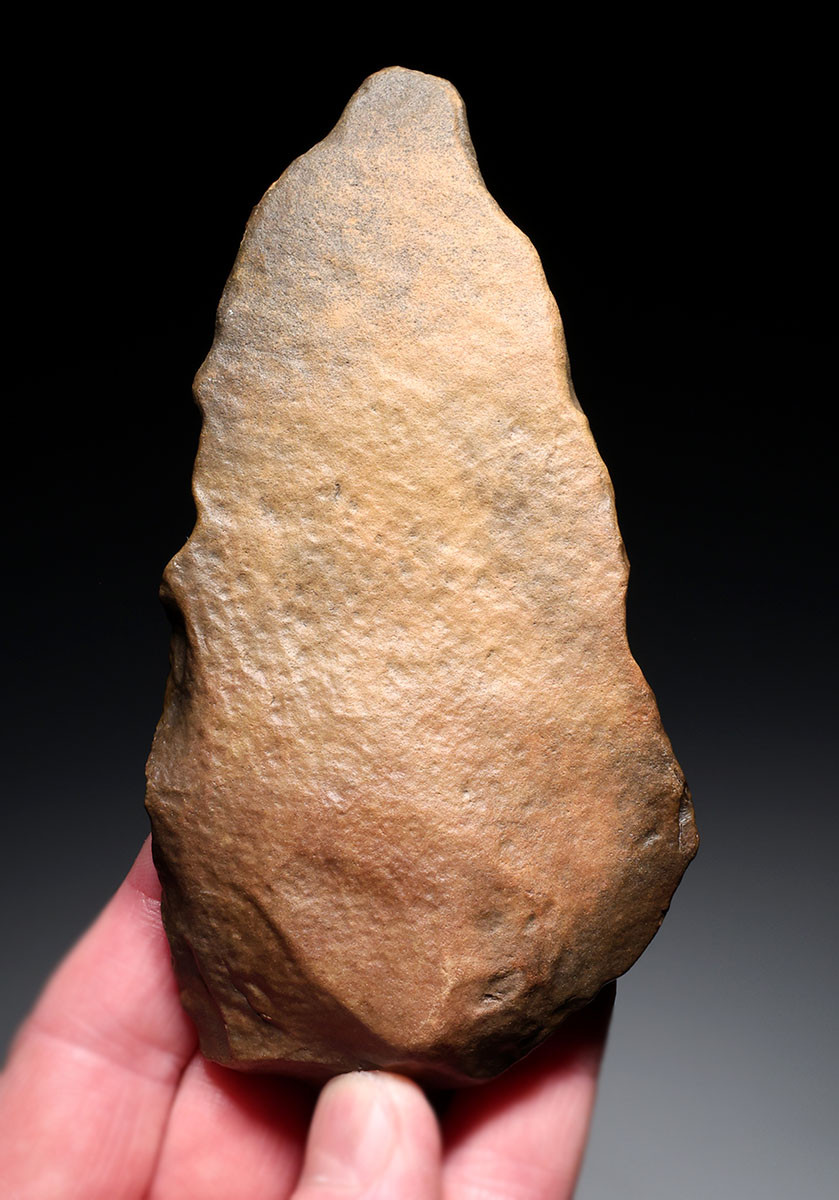
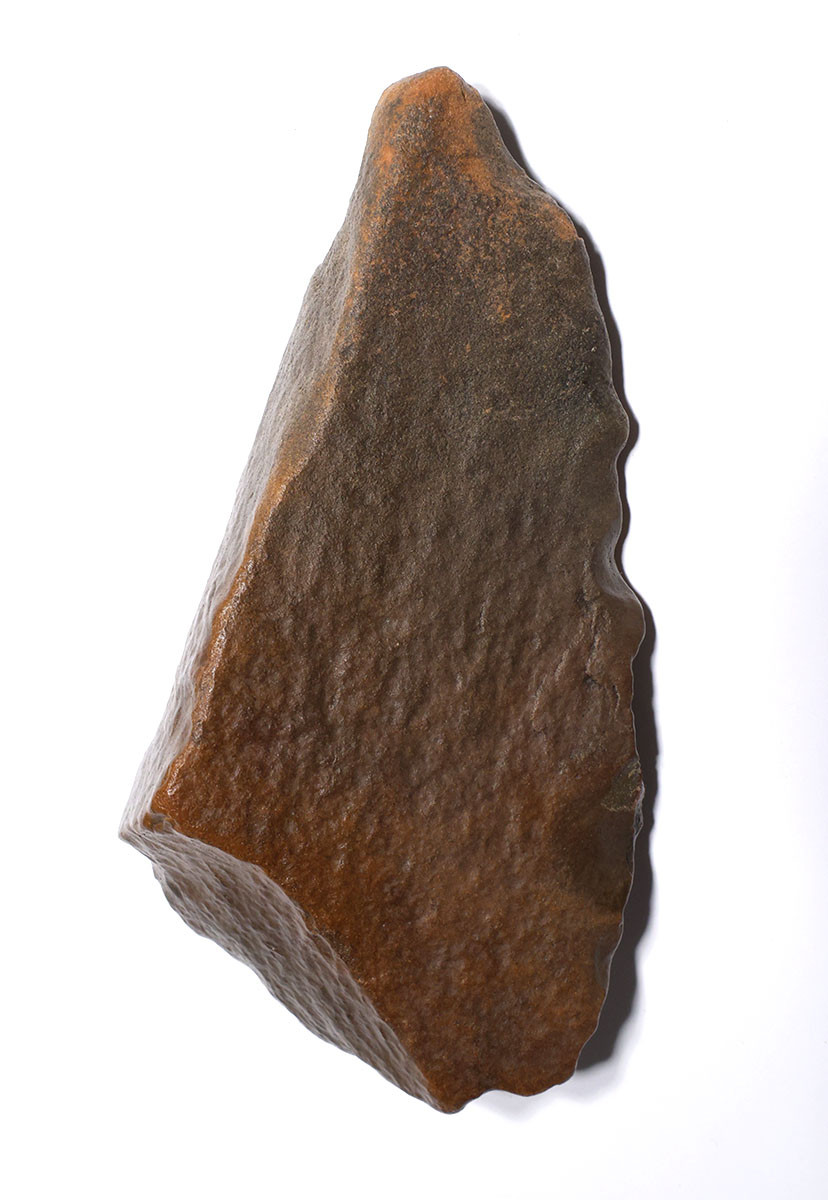
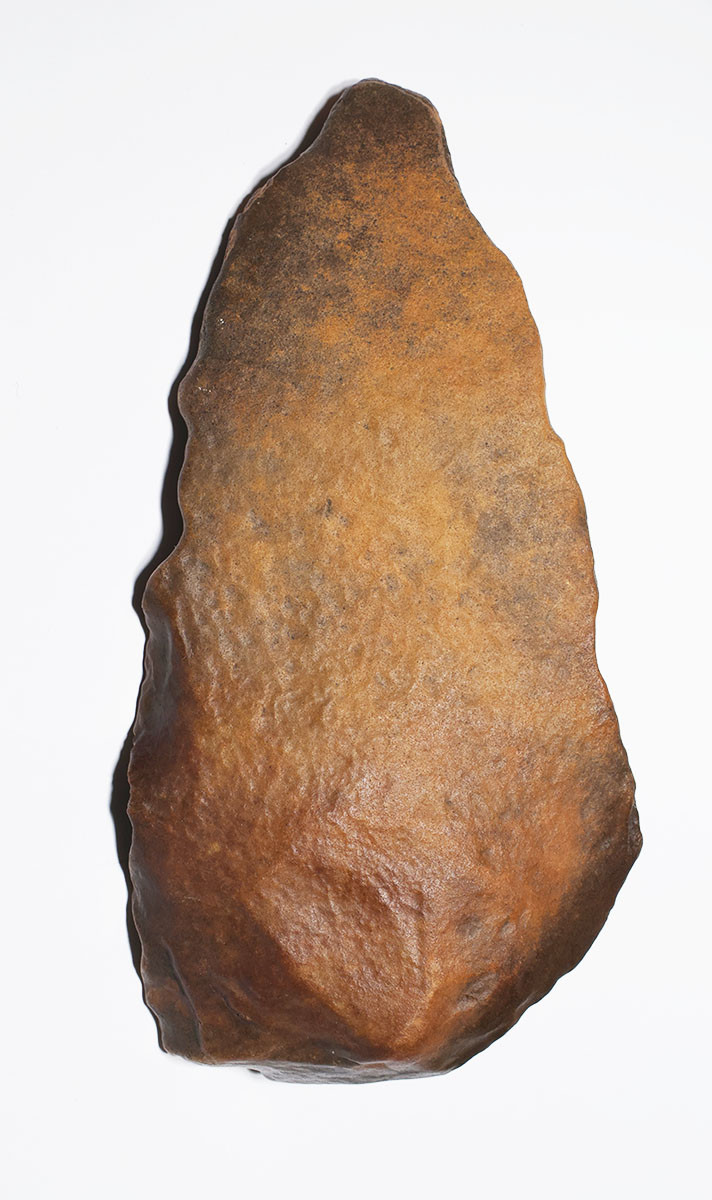
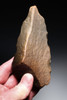
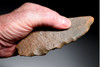
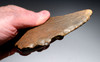
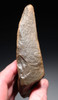
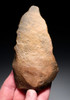
This RARE African Acheulean prehistoric stone tool is a UNIFACIAL BLADE KNIFE. It is a lesser common seen tool being a FLAKE tool, versus an Acheulean hand axe which is usually made from a core or blank, not typically from a flake. This flake tool was made and used by Homo ergaster (African Homo erectus) and is a supreme reference example of the first use of a knife by primitive humans over a half a million years ago! It was surface-collected from an exposed Lower Paleolithic Acheulean site in the Sahara Desert of North Africa. This Lower Paleolithic tool represents the first intelligent design type known to science that was made by primitive humans. Prior to these Saharan Acheulian tools, only crude pebble tools existed in the human fossil record.
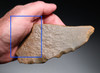
Very seldom seen in private collections, an Acheulean FLAKE tool from Africa is rare as most Acheulean tools collected are hand axes which are larger and more recognizable to the untrained eye. This flake tool was made from a large flake struck from an even larger tool core. Acheulean FLAKE TOOLS are much more rare in Africa then Acheulian HAND AXES. Edge photo shows extreme wind erosion but secondary flaking all down the cutting edge is plainly visible. The cutting edges of this specimen exhibit excellent workmanship and are intact. Extensive flaking on the edges is evident as is the original striking platform on the proximal end. Acheulean knives from the Sahara are VERY RARE and often overlooked in field collecting and rarely seen in collections.
This Lower Paleolithic stone tool was used when there were large prehistoric elephant, hippopotamus, and giraffe species in Africa that primitive humans hunted. A tool like this was necessary to butcher such large kills.
HISTORY
Acheulean (also Acheulian and Mode II), from the French acheuléen after the type site of Saint-Acheul, is an archaeological industry of stone tool manufacture characterized by the distinctive oval and pear-shaped "hand axes" associated with Homo erectus and derived species such as Homo heidelbergensis.
Acheulean tools were produced during the Lower Palaeolithic era across Africa and much of West Asia, South Asia, East Asia and Europe, and are typically found with Homo erectus remains. It is thought that Acheulean technologies first developed about 2 million years ago, derived from the more primitive Oldowan technology associated with Homo habilis. In Europe and Western Asia, early Neanderthals utilized Acheulean technology, later transitioning to the more advanced Mousterian beginning around 320,000 years ago.
The earliest user of Acheulean tools may have been Homo ergaster, who first appeared about 1.8 million years ago (not all researchers use this formal name, and instead prefer to call these users early Homo erectus). Homo ergaster might not have been the only maker of early Acheulean tools, since other hominin species, such as Homo habilis, lived in East Africa at this time.
From geological dating of sedimentary deposits, it appears that the Acheulean originated in Africa and spread to Asian, Middle Eastern, and European areas sometime between 1.5 million years ago and about 800 thousand years ago. In individual regions, this dating can be considerably refined; in Europe for example, it was thought that Acheulean methods did not reach the continent until around 500,000 years ago. However, more recent research demonstrated that hand-axes from Spain were made more than 900,000 years ago.

