US DOLLAR
 EURO
EURO
 AUSTRALIAN DOLLAR
 CANADIAN DOLLAR
 POUND STERLING


Product Description
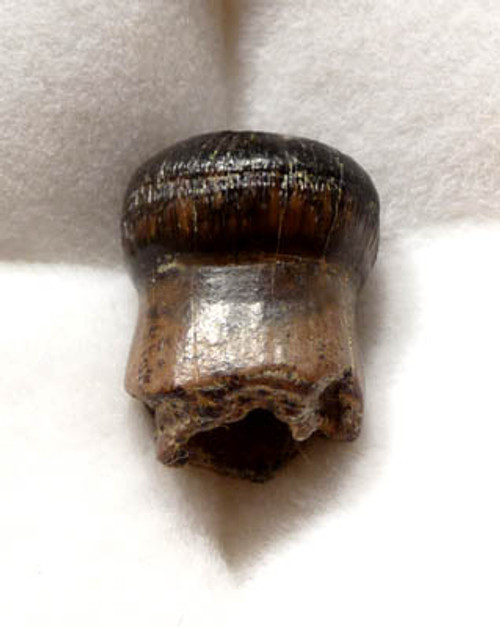
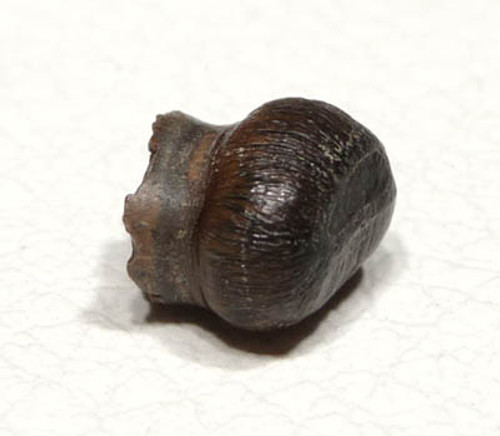
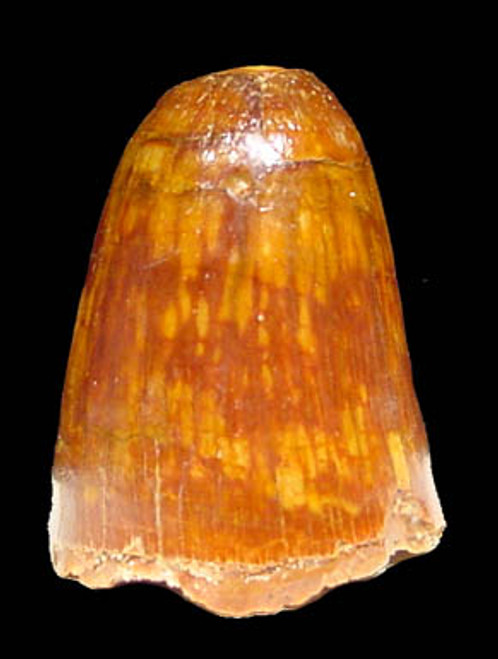
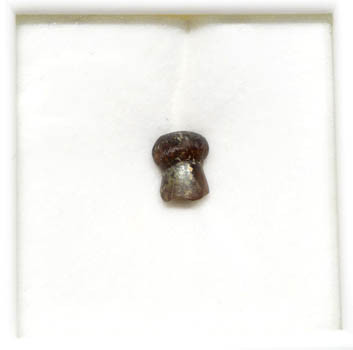
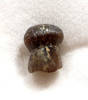
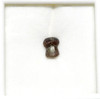
This is a superb fossil tooth of a Cretaceous reptile called Brachychampsa montana, Teeth from these extinct reptiles are uncommon and indicate a swampy, wet environment once existed where they were collected from. Fossils of creatures like this that are much lesser known, make for interesting compliments to dinosaur fossil collections and exhibits of the same period and formation. Such specimens help to illustrate the diversity of fauna and type of world that once was the Late Cretaceous of Hell Creek.
The rich dark brown colors of the enamel are typical for this formation. The crown is complete with characteristic wrinkled enamel. This is an uncommon fossil tooth from an alligator-like creature which lived during the final days of the dinosaurs including during the time of T. rex. A fascinating and impressive specimen.
HISTORY
Brachychampsa is an extinct genus of alligatorid, possibly a basal caiman. Specimens have been reported from New Mexico, Colorado, Wyoming, Montana, North and South Dakota, New Jersey, and Saskatchewan, though only those from Montana, Utah, and New Mexico are based on material sufficient to justify the referral. Some specimens have been reported from the Campanian-aged deposits of Central Asia (Chimkent of Kazakhstan and Kirkuduk of Tajikistan), although the species status is indeterminate for these fossils. The genus first appeared during the late Campanian stage of the Late Cretaceous (Judithian North American stage) and became extinct during the late Maastrichtian stage of the Cretaceous (Lancian North American Land Mammal "Age").
The type species of Brachychampsa is B. montana, first discovered from the Hell Creek Formation of Montana and described by Charles W. Gilmore in a paper in 1911. Brachychampsa's dentition was heterodont, with conical teeth at the front and bulbous teeth at the back. It has been regarded as a specialist hunter of turtles, based on its rostral shape, massive dentary, and dental morphology, though this has been challenged over the years. A more generalist diet of small invertebrates and vertebrates has also been proposed.