 US DOLLAR
 EURO
EURO
 AUSTRALIAN DOLLAR
 CANADIAN DOLLAR
 POUND STERLING








Product Description
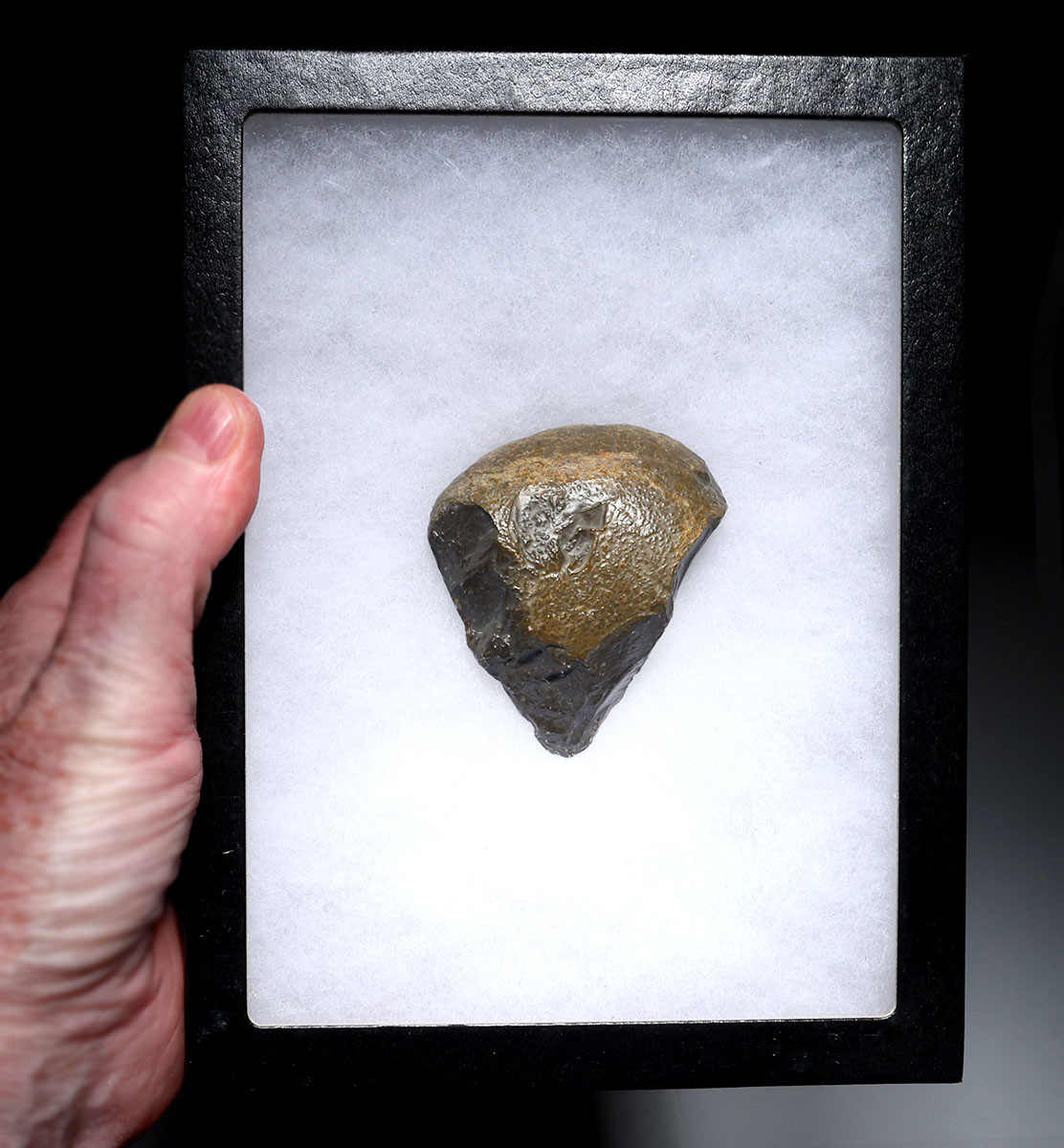
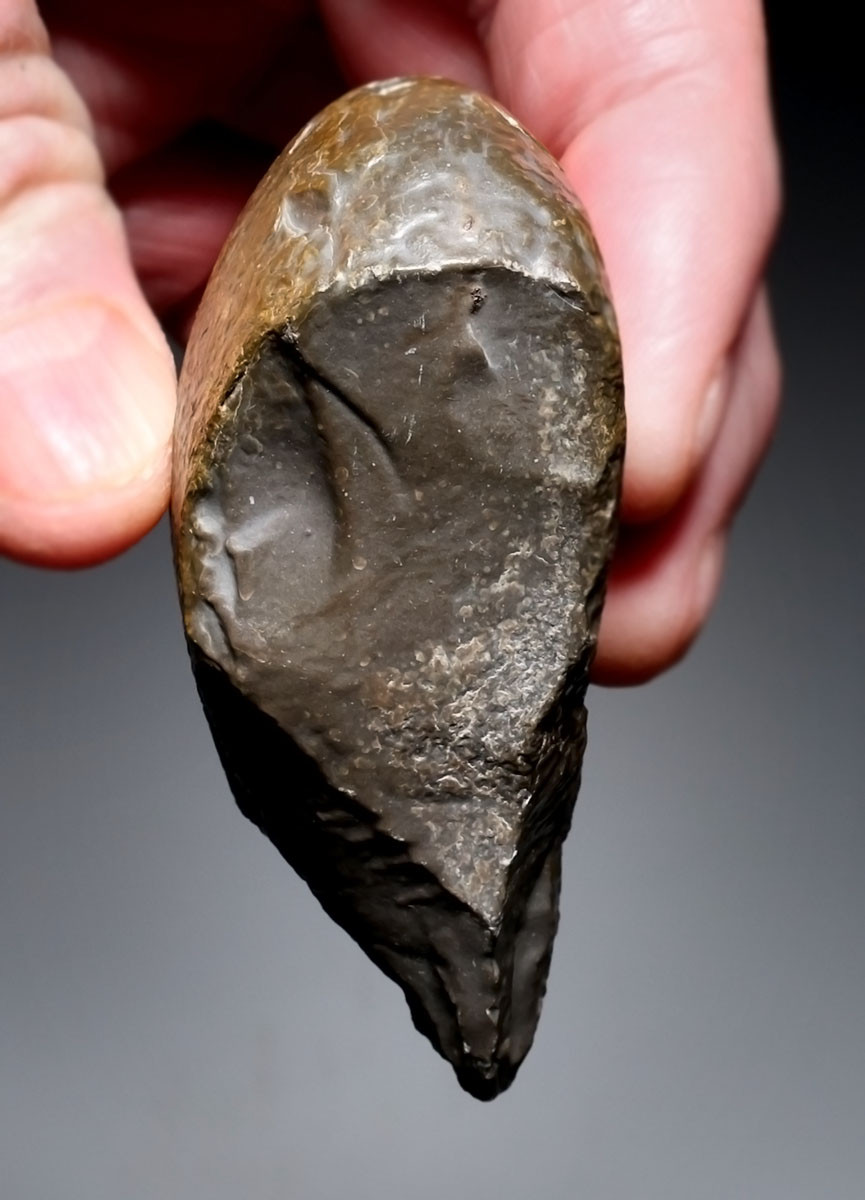
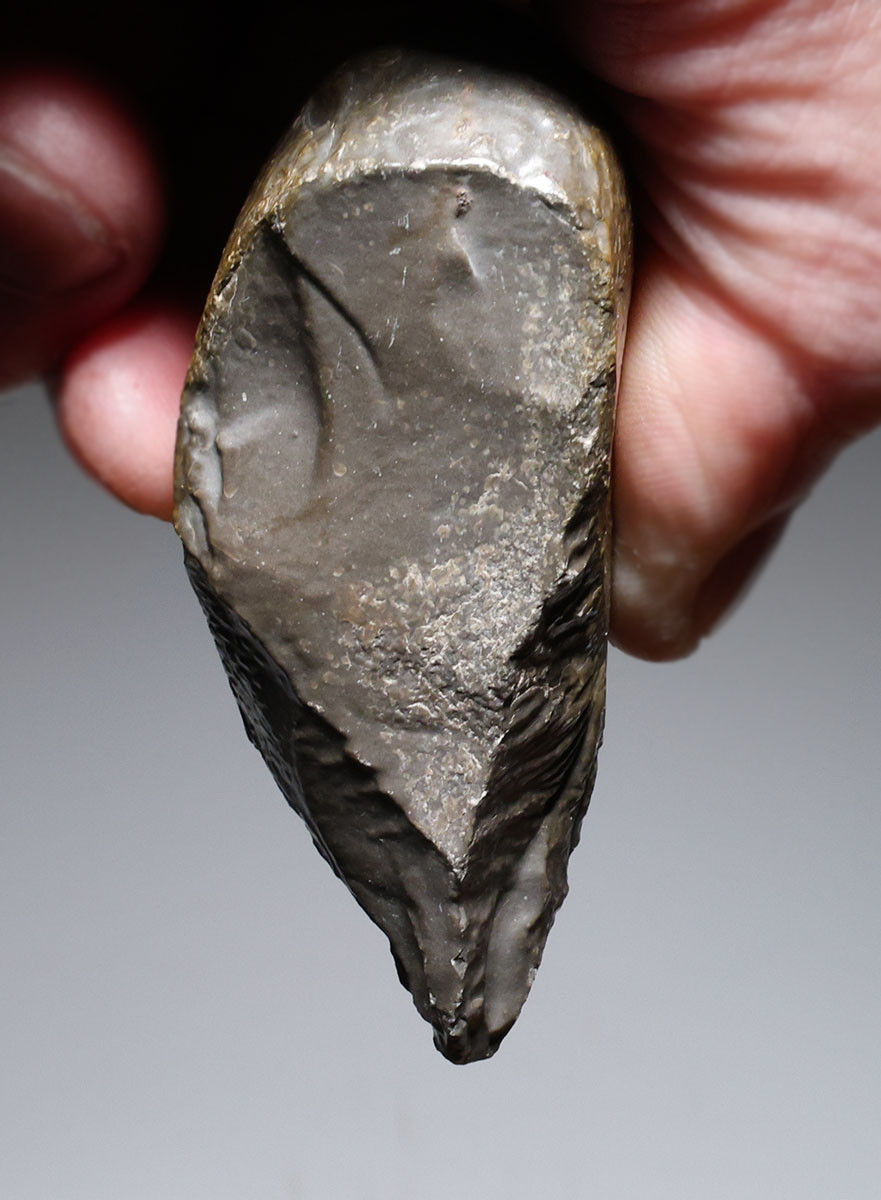
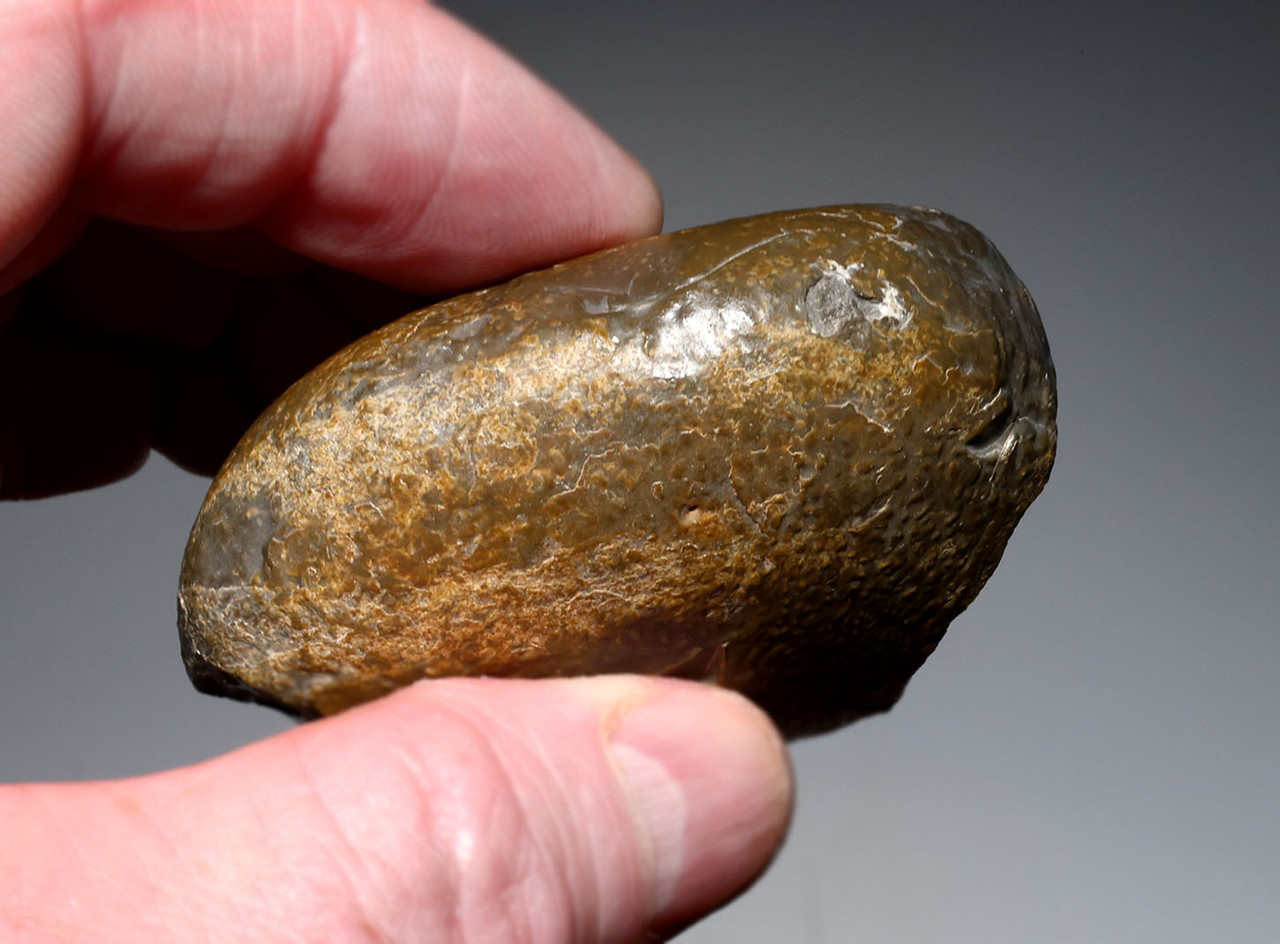
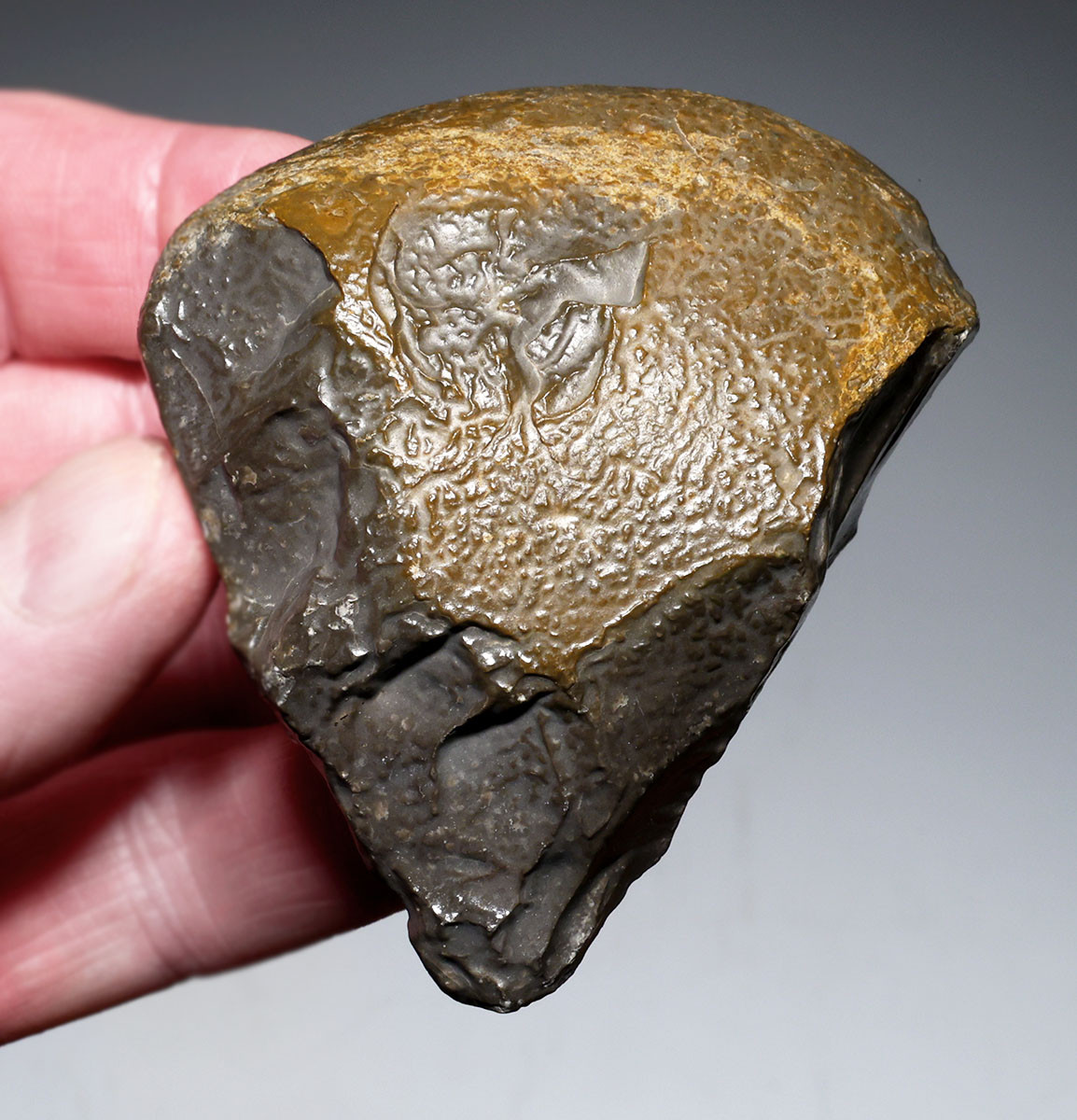
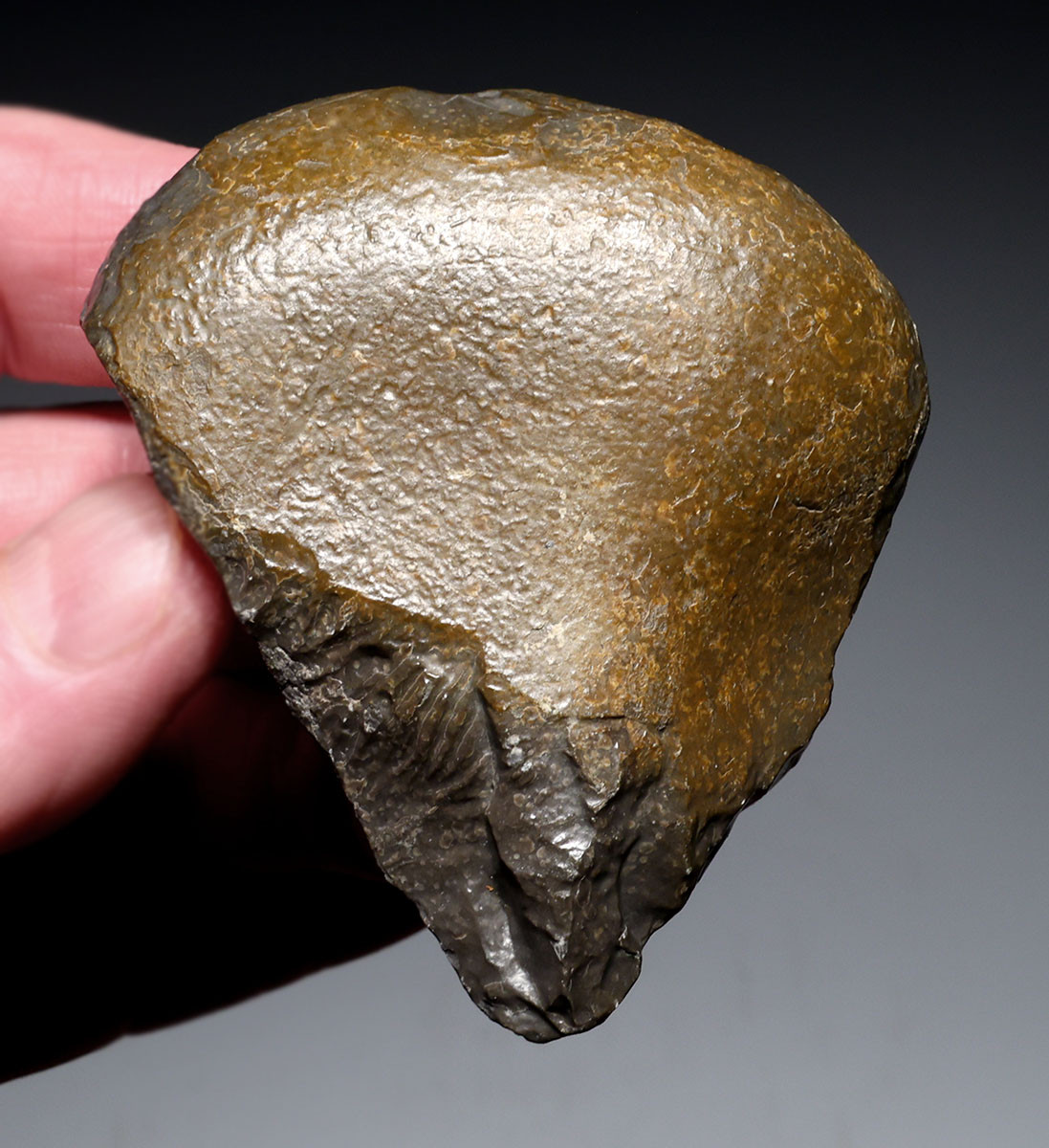
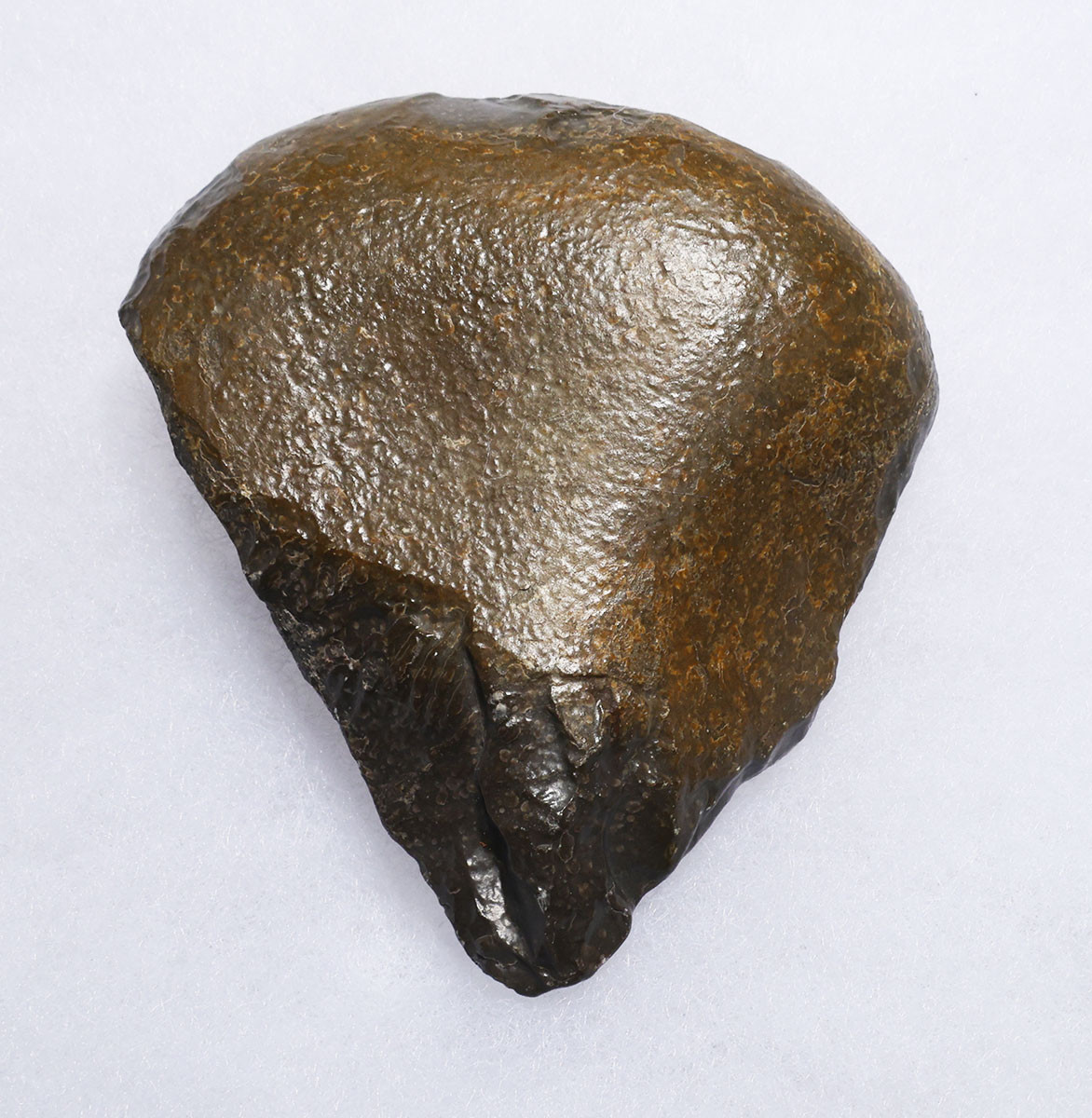
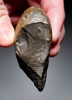
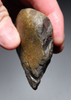
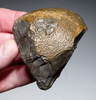
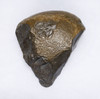
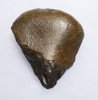
This is a RARE and classic MODE 1 OLDOWAN PEBBLE CHOPPER AXE made from basalt. It was found on a Lower Paleolithic exposed site in the Tenere Desert of West Africa (site details included with purchase). This is the only Oldowan specimen we have ever offered from this rare location. This specimen is in perfect preservation and is complete as originally made 2.4 to 1.7 million years ago. It is a supreme museum-class display specimen demonstrating the oldest and first human-made stone tool in the archaeological record. It demonstrates all the exemplary features of the Oldowan Tool Tradition, from Africa's Lower Paleolithic Period. This complete and rare pebble chopper hand axe is made from basalt that has been heavily wind-polished from extreme long term desert exposure. It is of a compact design with a rare pointed tip. The majority of Oldowan pebble choppers have a broad cleaver chisel edge for chopping. The concept of a pointed tip indicated evolving primitive human thinking, and an improved tool design which would become further refined in the pointed hand axes that dominated the later Acheulean Tool Tradition.
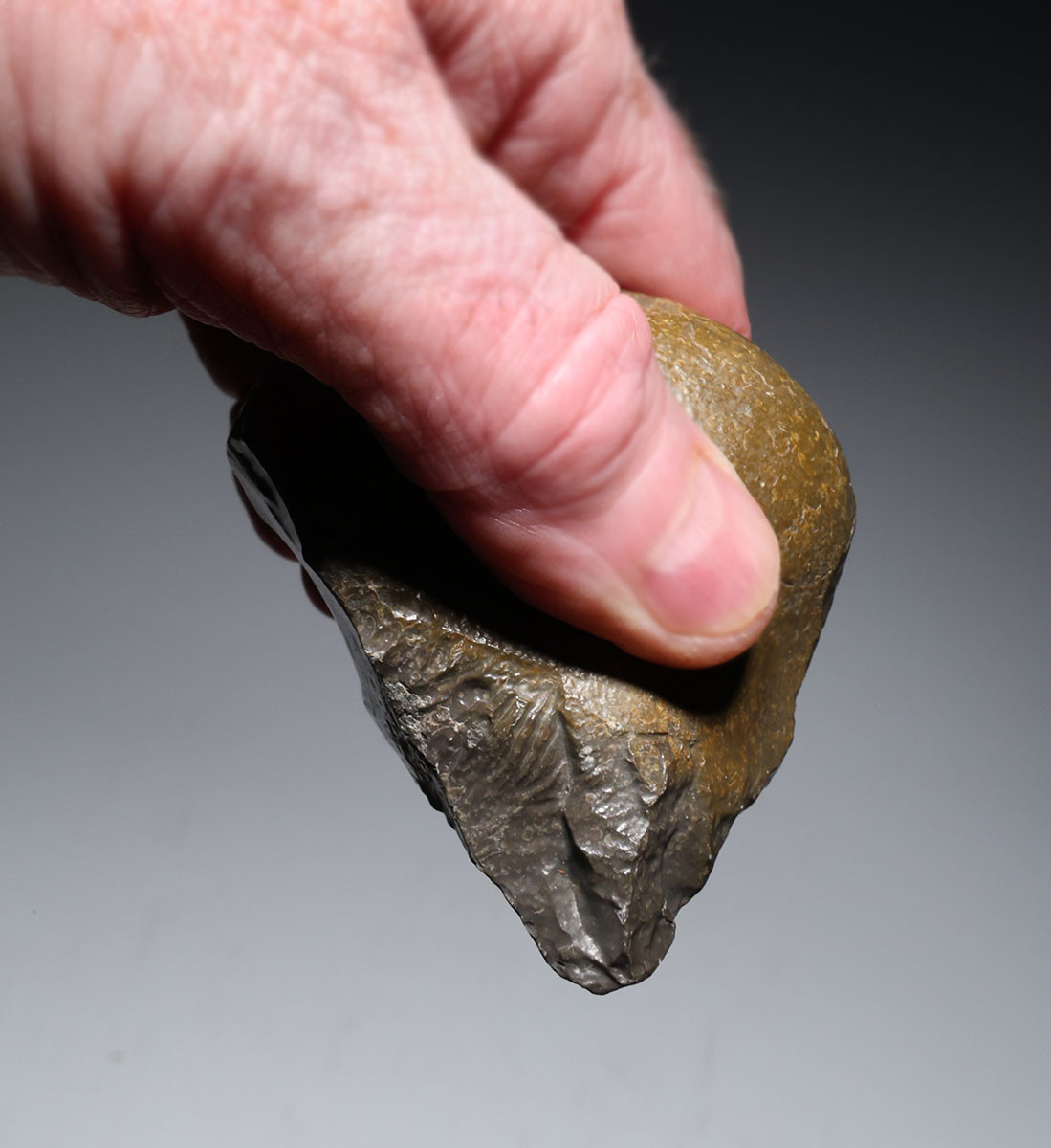
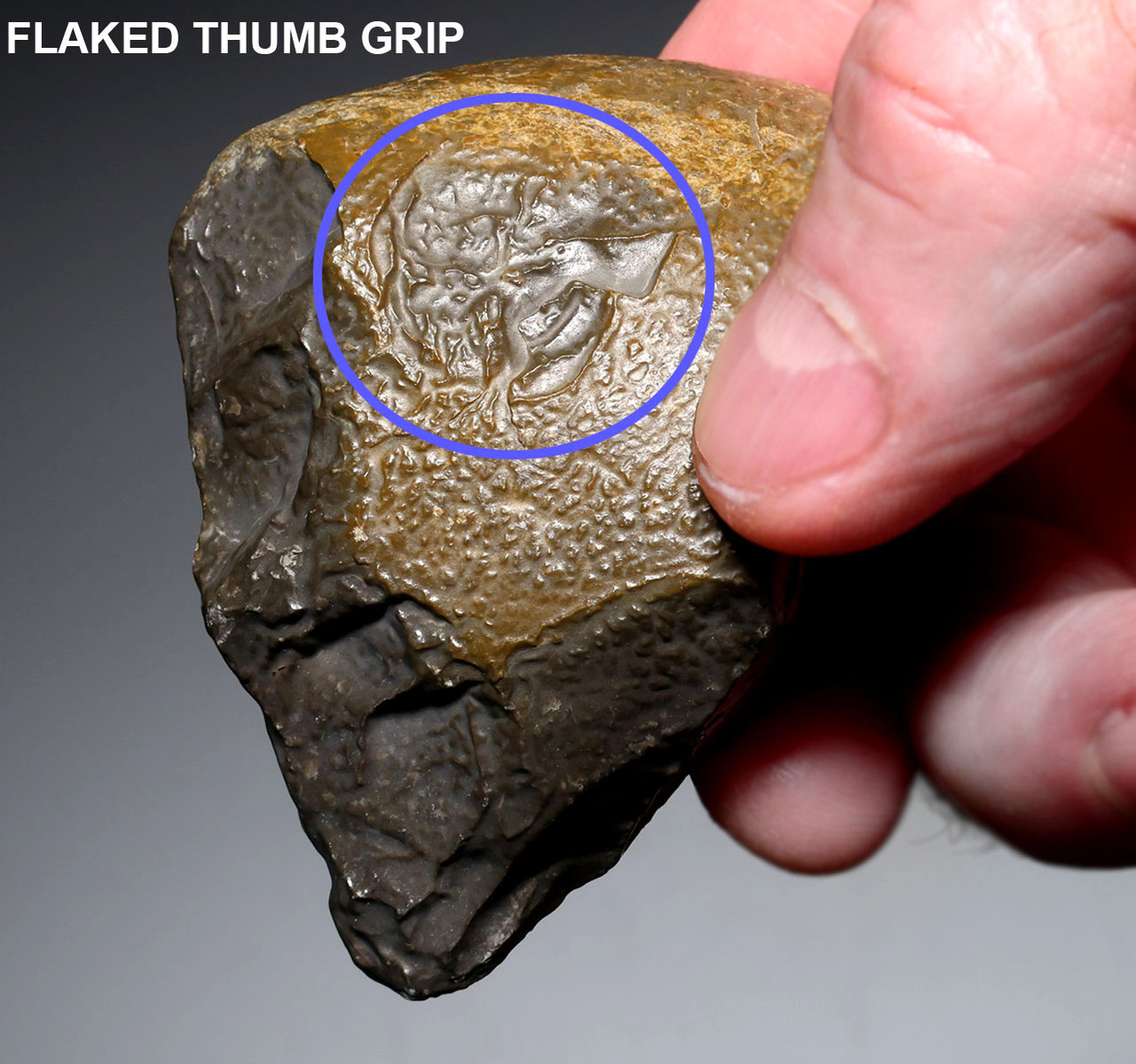
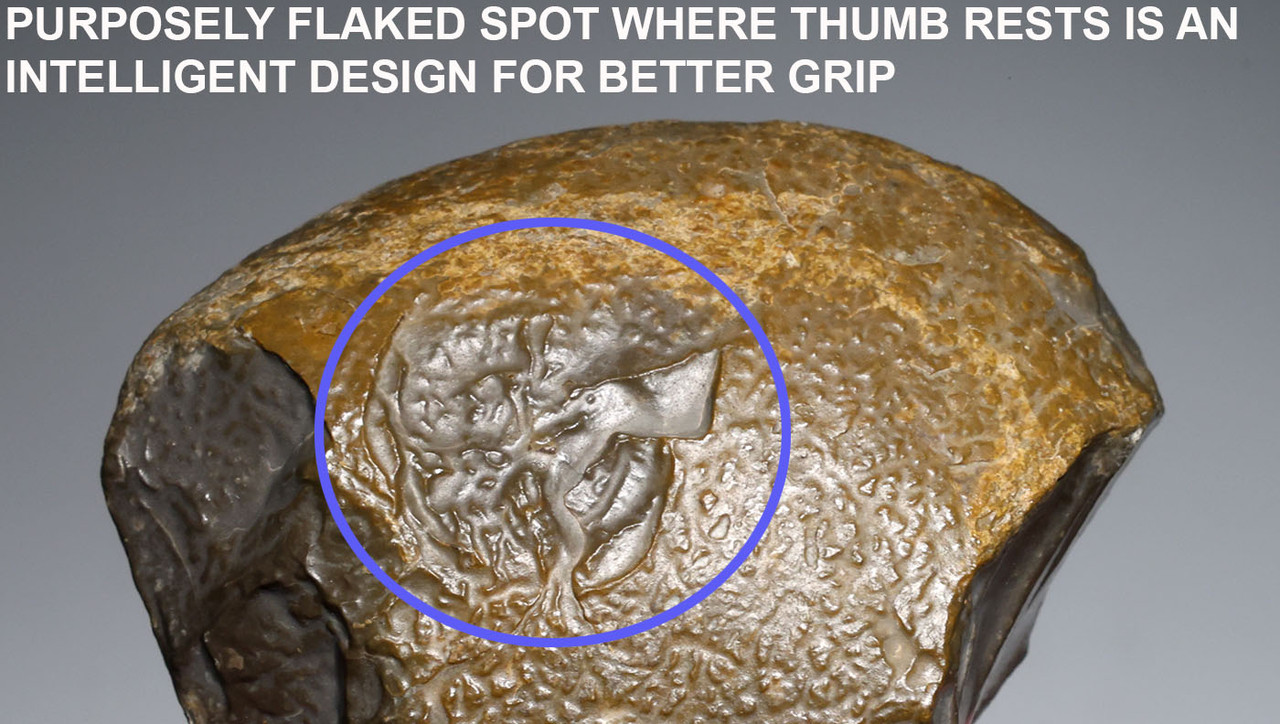
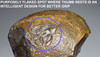
Another interesting feature of this specimen is an obvious flaked spot where the thumb would fall when the hand axe is held. This flaking created a lightly roughened surface for gaining a better grip - an ingenious design and intriguing demonstration of a high level of cognitive thinking in primitive humans.
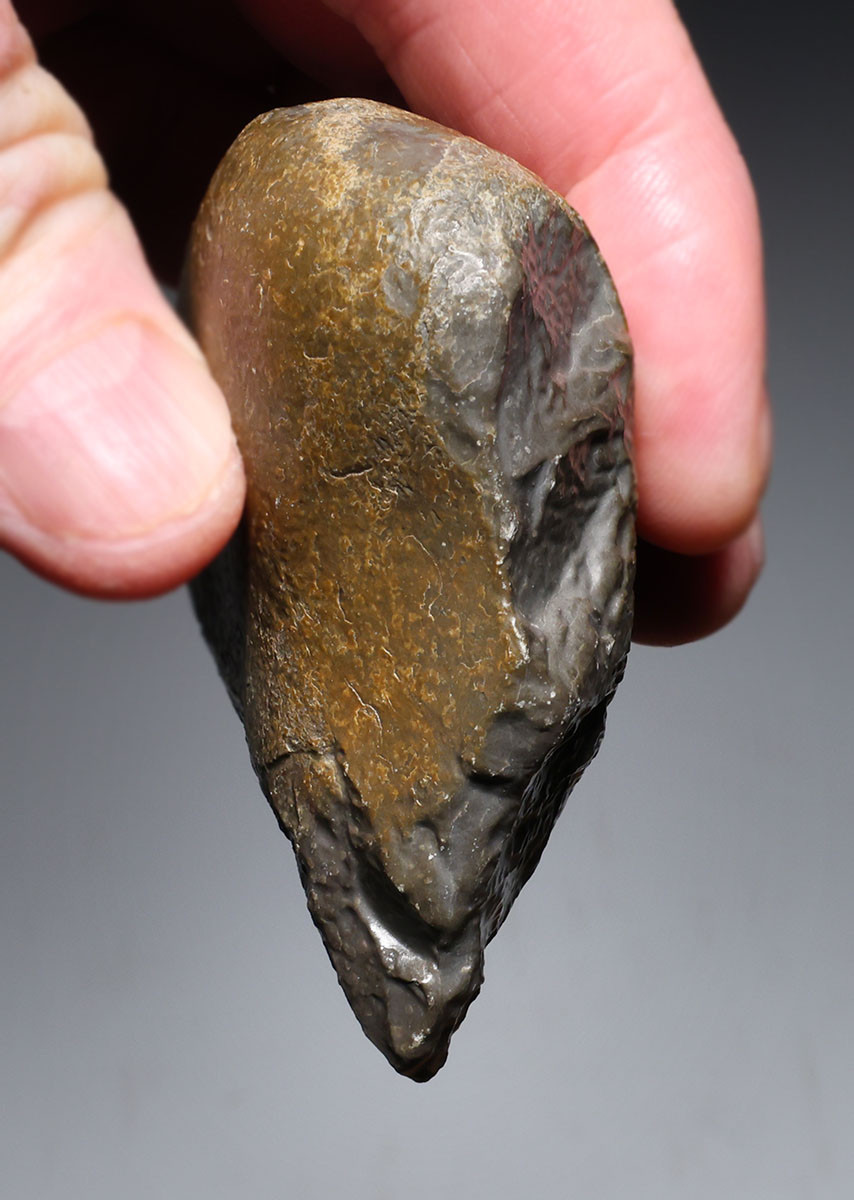
A pointed pebble axe such as this would be perfect to puncture the bones of large hunted game animals to access the prized nourishing marrow inside. At this time in prehistoric Africa game animals such as early species of giraffe, bison and elephants were living and a valuable food source to early hominins. This specimen is in perfect preservation and is complete as originally made 2.4 to 1.7 million years ago. The sheen on all surfaces is called "desert varnish", deposited from millennia of exposure to the Saharan wind and elements. The minute crevices of the of the stone still retain their original prehistoric mineral deposits, testifying to its authenticity. The chopping tip is complete and undamaged.
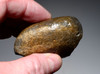
The grip was ingeniously oriented to used a naturally flat side of the round cobble to aid in holding. The rounded end would be suitable to cushion the pounding strikes of the axe against the palm. Supreme and INTELLIGENT workmanship can bee seen throughout on this large, museum-class specimen. This Oldowan Mode 1 chopper axe would make an ideal reference example of exactly what an Oldowan Pebble Chopper Axe should look like.
African pebble tools are NOT common on the market compared to their much later Acheulean hand axes. This specimen is the only one of its kind from this region that we acquired from the very limited collection we acquired. Despite the fact that there are probably more Oldowan tools in Africa compared to the European specimens we offer, very few African pebble tools are collected or available for public acquisition. This offering poses a rare opportunity to own an AUTHENTIC example of the first known tool type made by humans - a window into the mind and design thought process of our earliest ancestors.
No one can doubt the importance that pebble tools hold in the history of human development. Their very emergence in Africa nearly two million years ago allowed the earliest humans to butcher animals for their meat - the needed nourishment that allowed humans to survive and flourish to one day populate and rule the earth.
HISTORY
Oldowan pebble tools are THE FIRST recognized tools invented by the earliest of primitive humans from Africa. These tools are seldom seen in private collections or public exhibits. Oldowan sites exist in numerous regions of the continent but it takes a very knowledgeable collector to be able to weed out all the naturally-occurring rocks that litter the ground from an actual pebble tool specimen. As the origin of humanity and as the earliest of tool technologies, this African Oldowan specimen poses a very important potential addition to any advanced collection of Paleolithic artifacts. It was made by the African Homo erectus known as Homo ergaster.
The Oldowan (or Mode I) was a widespread stone tool archaeological industry during the early Lower Paleolithic spanning the late Pliocene and the first half of the Early Pleistocene. These early tools were simple, usually made by chipping one, or a few, flakes off a stone using another stone. Oldowan tools were used during a period spanning from 2.9 million years ago up until at least 1.7 million years ago (Ma), by ancient early humans across much of Africa. This technological industry was followed by the more sophisticated Acheulean industry (two sites associated with Homo erectus at Gona in the Afar Region of Ethiopia dating from 1.5 and 1.26 million years ago have both Oldowan and Acheulean tools).
The term Oldowan is taken from the site of Olduvai Gorge in Tanzania, where the first Oldowan stone tools were discovered by the archaeologist Louis Leakey in the 1930s. However, some contemporary archaeologists and palaeoanthropologists prefer to use the term Mode 1 tools to designate pebble tool industries (including Oldowan), with Mode 2 designating bifacially worked tools (including Acheulean hand axes), Mode 3 designating prepared-core tools, and so forth.

