US DOLLAR
 EURO
EURO
 AUSTRALIAN DOLLAR
 CANADIAN DOLLAR
 POUND STERLING





Product Description
SEE MORE AFRICAN NEOLITHIC ARTIFACTS
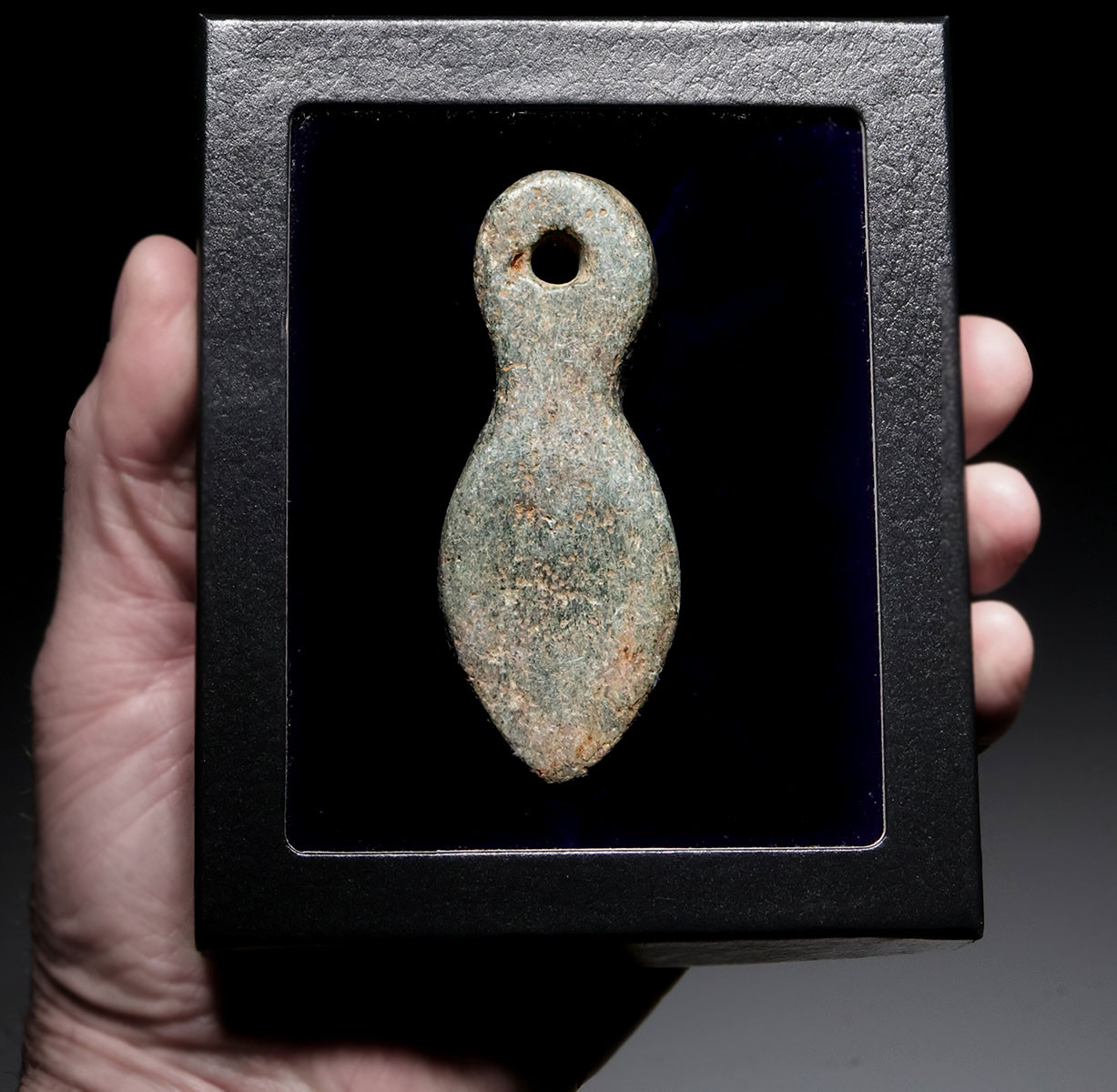
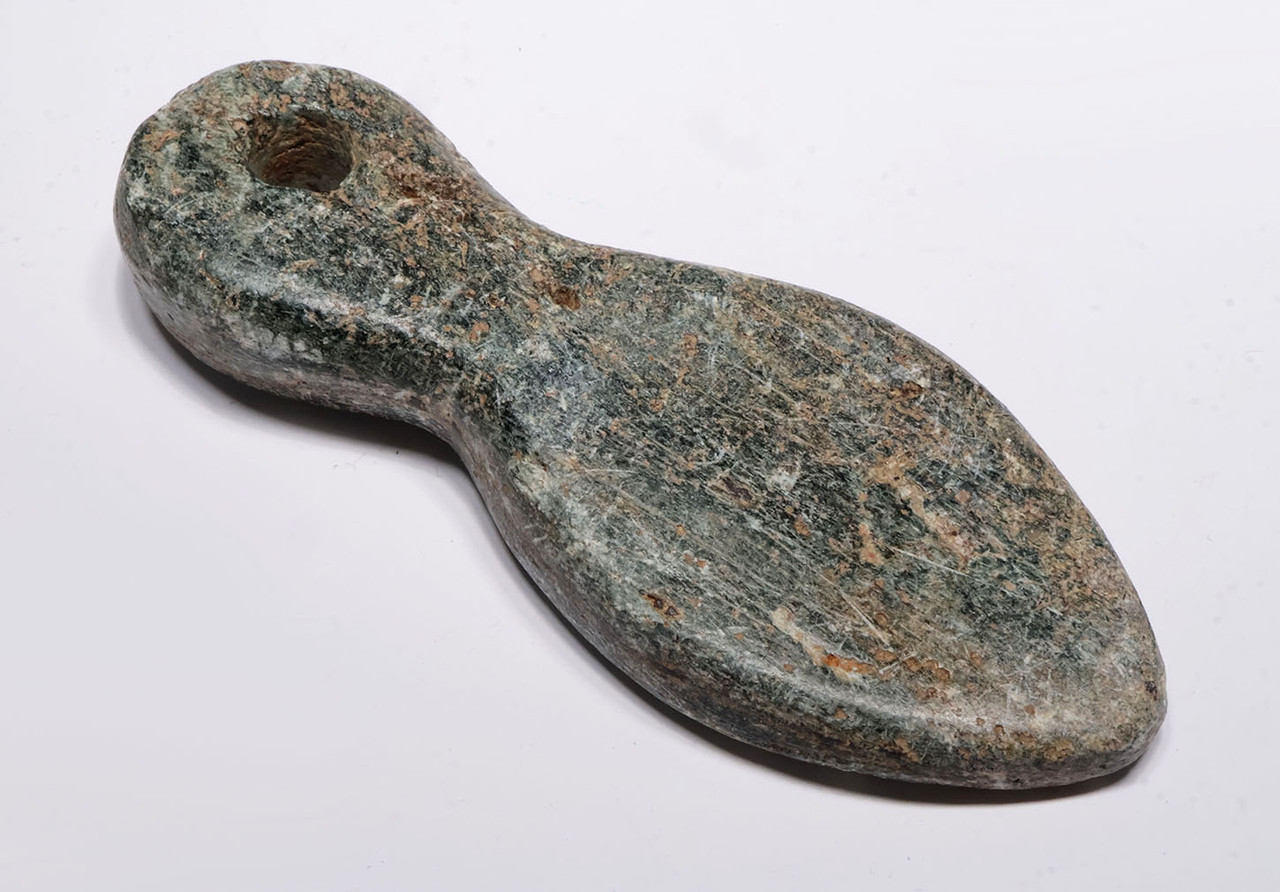
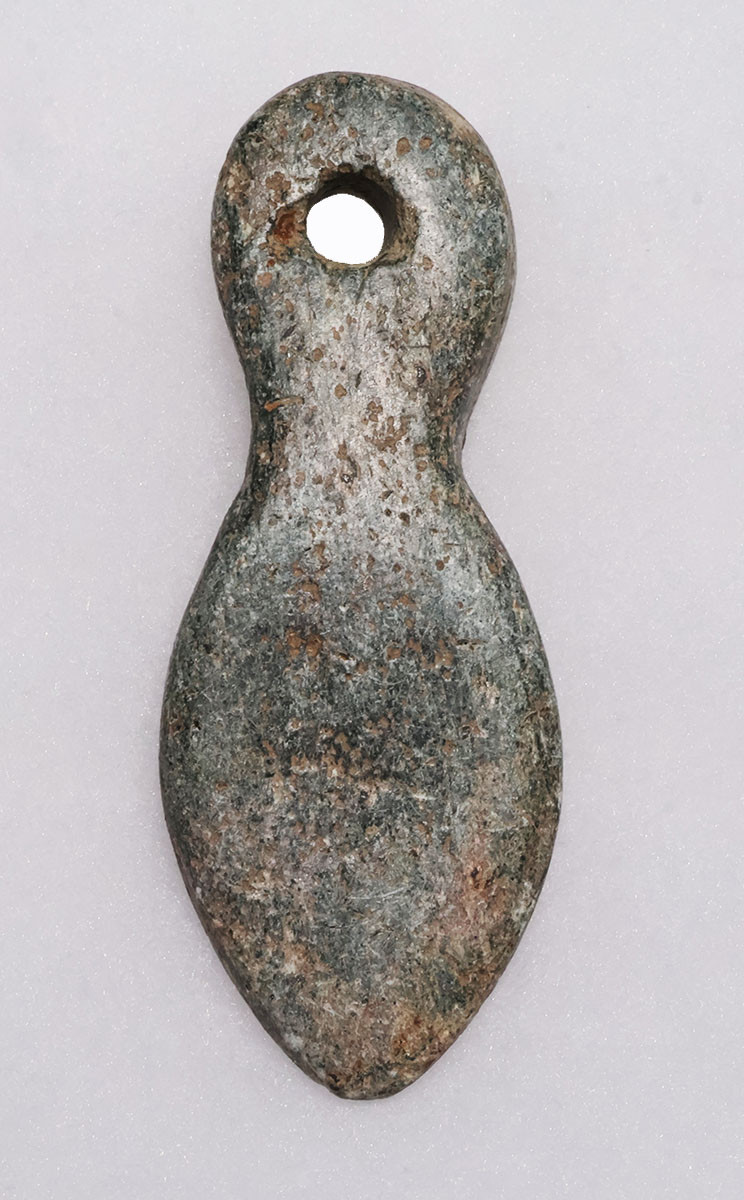
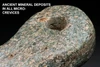
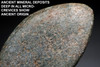
This VERY RARE Neolithic of Capsian Tradition carved stone art object was found on an exposed northwest African Neolithic site in the Sahara Desert. It was fashioned by Neolithic humans living in what is now the Northwest Sahara Desert, between 8,700 and 4,700 years ago.
One of our personal main focuses over the duration of our 36 years of working with ancient objects, has been an interest in ancient and prehistoric (very rare ) body adornment and jewelry. Unlike utilitarian items, jewelry and body adornment involved the artistic mind and personal expression - how we see ourselves and our definition of 'beautiful'. Such objects from the past, give us a window into the mind of people that lived way before any of the great ancient civilizations. These were some of the earliest forms of portable art and WEARABLE art. Jewelry from the Neolithic is extremely rare - immeasurably MORE rare than anything from the Ancient World. In Africa's Neolithic of Capsian Culture, primary (not strings of beads) carved objects that were made to be worn as a focal point, alone, are extremely scarce. This offering comes from our 25+ year personal collection of the best material we kept for our own collection that we are now selling. Of all the Neolithic jewelry we collected, and it is not very many pieces, this was by far, the largest by nearly 3 times of any other carved stone pendant!
Compared to ordinary beads in which many made up a necklace, main feature talisman pendants like this, were often worn alone and are much more rare to find. This exceptionally large, fine example was made out of green steatite. Its Neolithic maker ground and shaped the stone into an abstract flattened female form with a single piercing at the top to be worn around the neck. This female form is a common thread subject matter of most Neolithic and Prehistoric carved art forms. Whether it is a Mother Goddess, or depiction of the attractive female shape, the appreciation of women seems to be a common denominator in the art of the earliest of human art. It is no different to the Neolithic people of the Northwest Sahara in the Capsian culture.
This pendant is complete as originally made with all the important traits of age and authenticity - intact mineral deposits deep in microscopic crevices. Beware of modern forgeries lacking these features, or later Colonial trade beads being sold as "Neolithic". Both dominate the market! Authentic Neolithic stone pendants like these are very scarce.
This is a classic artifact of African Capsian Neolithic body adornment and ornamentation. Beads and pendants were part of the main personal decoration of a Neolithic man or woman over 5000 years ago in Africa. Completely durable and safe to wear for another 5000 years!
Archaeological sites of the African Neolithic yield some jewelry items and give us a glimpse of what body ornamentation and personal adornment looked like back in this period long ago. Beads, lip plugs and bracelets are sometimes found. Tools and weapons were an item of necessity but body jewelry reveals to us another side of the mind of primitive and ancient Man that the other artifacts do not give us. Perfect to display alongside similar period tools and weapons to illustrate the larger picture of life in this time!