google-site-verification=yKrvO0QU6we7eGq6q_1Bt4VtocSmE_uEnT5inrrzQvc
USD
US DOLLAR
EURO
AUSTRALIAN DOLLAR
CANADIAN DOLLAR
POUND STERLING
Wishlist
My Account
Login
Sign Up
Shopping Cart
0
Toggle menu
Search
×
Search
×
Shop By Category
NEW ITEMS
$125 & UNDER
LARGE INVESTMENT FOSSILS
MUSEUM'S CHOICE ARTIFACTS
MUSEUM'S CHOICE FOSSILS
ICE AGE MUSEUM FOSSILS
DINOSAUR / REPTILE TEETH FOSSILS
FOSSILS (ALL)
AMMONITES
FISH
MESOSAURUS
AMPHIBIAN
DINOSAURS / REPTILES
TYRANNOSAUR
ALLIGATOR / CROCODILE
ANKYLOSAUR
CARCHARODONTOSAURUS
DELTADROMEUS
DROMAEOSAUR (RAPTOR)
HADROSAUR
HORNED DINOSAURS
PHYTOSAUR
PTEROSAUR
SPINOSAURUS
MISCELLANEOUS DINOSAURS & REPTILES
LAND MAMMALS
MISCELLANEOUS LAND MAMMALS
MESOZOIC MAMMALS
AUROCHS
BOAR
CAVE BEAR
GIANT BEAVER
BISON (WISENT)
HORSE
IBEX
GOMPHOTHERE
MEGALOCEROS (GIANT DEER)
WOOLLY RHINOCEROS
WOLF
INVERTEBRATES
AMMONITES
BRACHIOPODS
CORAL
CRUSTACEANS
CRINOIDS (SEA LILY)
EURYPTERIDS (SEA SCORPIONS)
GASTROPODS
ORTHOCERAS / BELEMNITES
SPONGES
SQUID
STROMATOLITES
TRILOBITES
MARINE VERTEBRATES
MEGALODON TEETH
PINNIPED (SEAL, SEA LION)
PLANTS
SHARKS
COW SHARK
ISURUS (MAKO or WHITE)
ORTHACANTHUS
MEGALODON
MISCELLANEOUS SHARKS
TRILOBITES
WHALE
WHOLESALE FOSSILS
GEMSTONES
AMETHYST AGATE
BRECCIATED MOOKAITE
BUMBLEBEE JASPER
CRAZY LACE AGATE
FOSSIL AGATIZED CORAL
K2 STONE AZURITE GRANITE
PICASSO MARBLE (JASPER)
RED LAGUNA LACE AGATE
RHODOCHROSITE
ROYAL IMPERIAL JASPER
SONORA SUNRISE CHRYSOCOLLA CUPRITE
MINERALS & CRYSTALS
ANCIENT COIN JEWELRY
GREEK COIN JEWELRY
ROMAN COIN JEWELRY
BYZANTINE COIN JEWELRY
BIBLICAL COIN JEWELRY
ISLAMIC COIN JEWELRY
ANCIENT COINS
ANCIENT GREEK COINS
ANCIENT ROMAN COINS
ANCIENT BYZANTINE ROMAN COINS
ANCIENT BIBILICAL COINS
ANCIENT ISLAMIC MUSLIM COINS
OLDOWAN PEBBLE
ACHEULEAN
MOUSTERIAN
AFRICAN MIDDLE STONE AGE
ATERIAN
UPPER PALEOLITHIC
MESOLITHIC / EPIPALEOLITHIC
AFRICAN NEOLITHIC
AFRICAN NEOLITHIC ARROWHEADS
AFRICAN NEOLITHIC BEADS / JEWELRY
AFRICAN NEOLITHIC CELT AXES
AFRICAN NEOLITHIC FLAKE TOOLS
AFRICAN NEOLITHIC GRINDING MILLS
AFRICAN NEOLITHIC MACE HEADS
AFRICAN NEOLITHIC POTTERY
AFRICAN NEOLITHIC SPEARHEADS
AFRICAN NEOLITHIC UNUSUAL ARTIFACTS
EUROPEAN NEOLITHIC
CHALCOLITHIC COPPER AGE
EUROPEAN BRONZE AGE
ASIAN
CELTIC
EGYPTIAN
NEAR EASTERN
NEAR EASTERN SWORDS
NEAR EASTERN AXES
NEAR EASTERN MACES
NEAR EASTERN DAGGERS & KNIVES
NEAR EASTERN SPEARHEADS
NEAR EASTERN ARROWHEADS
NEAR EASTERN FIGURES
NEAR EASTERN CEREMONIAL ITEMS
NEAR EASTERN HORSE FITTINGS
NEAR EASTERN JEWELRY
NEAR EASTERN STICK PINS
PRE-COLUMBIAN
PRE-COLUMBIAN APPLIQUES & ORNAMENTS
PRE-COLUMBIAN FIGURAL PENDANTS
PRE-COLUMBIAN FIGURES
PRE-COLUMBIAN JEWELRY & BEADS
PRE-COLUMBIAN MASKS
PRE-COLUMBIAN TEXTILES
PRE-COLUMBIAN VESSELS
PRE-COLUMBIAN WEAPONS & TOOLS
PRE-COLUMBIAN UNUSUAL OBJECTS
SCYTHIAN
THRACIAN
ROMAN CLASSIC & BYZANTINE
ROMAN CLASSIC & BYZANTINE ARROWHEADS
ROMAN CLASSIC & BYZANTINE AXES
ROMAN CLASSIC & BYZANTINE SPEARHEADS
ROMAN CLASSIC & BYZANTINE MACEHEADS
ROMAN CLASSIC & BYZANTINE DAGGERS / KNIVES
ROMAN CLASSIC & BYZANTINE HORSE CAVALRY ARTIFACTS
ROMAN CLASSIC & BYZANTINE JEWELRY / APPLIQUES
ROMAN CLASSIC & BYZANTINE OTHER WEAPONS / TOOLS
ROMAN BYZANTINE RELIGIOUS OBJECTS
EARLY MAN ARTIFACTS
ANCIENT ARTIFACTS
BOOKS - ARCHAEOLOGY
BOOKS - PALEONTOLOGY
SUPPLIES AND TOOLS
JUST ADDED
REVIEWS
HOW TO ORDER
CONTACT US
ABOUT US
OUR GUARANTEE
INFO
COLLECTING DINOSAUR FOSSILS
MEGALODON TEETH BUYERS GUIDE
TRILOBITES
AMMONITES
STONE TOOLS OF EARLY MAN
COLLECTING
INVESTING
FRAUD AND MISIDENTIFICATION
FAKE FOSSILS & ARTIFACTS
FAKE TRILOBITES
FAKE CHINESE FOSSILS
FAKE CRUSTACEAN FOSSILS
FAKE MAMMAL SKULL FOSSILS
FAKE MESSEL FOSSILS
FAKE AMBER & COPAL
PHOTO USE LICENSING FEES
USD
US DOLLAR
EURO
AUSTRALIAN DOLLAR
CANADIAN DOLLAR
POUND STERLING
Connect with Us:
pinterest
facebook
instagram
youtube
Gift Certificates
Login
or
Sign Up
Shop By Category
NEW ITEMS
$125 & UNDER
LARGE INVESTMENT FOSSILS
MUSEUM'S CHOICE ARTIFACTS
MUSEUM'S CHOICE FOSSILS
ICE AGE MUSEUM FOSSILS
DINOSAUR / REPTILE TEETH FOSSILS
FOSSILS (ALL)
AMMONITES
FISH
MESOSAURUS
AMPHIBIAN
DINOSAURS / REPTILES
TYRANNOSAUR
ALLIGATOR / CROCODILE
ANKYLOSAUR
CARCHARODONTOSAURUS
DELTADROMEUS
DROMAEOSAUR (RAPTOR)
HADROSAUR
HORNED DINOSAURS
PHYTOSAUR
PTEROSAUR
SPINOSAURUS
MISCELLANEOUS DINOSAURS & REPTILES
LAND MAMMALS
MISCELLANEOUS LAND MAMMALS
MESOZOIC MAMMALS
AUROCHS
BOAR
CAVE BEAR
GIANT BEAVER
BISON (WISENT)
HORSE
IBEX
GOMPHOTHERE
MEGALOCEROS (GIANT DEER)
WOOLLY RHINOCEROS
WOLF
INVERTEBRATES
AMMONITES
BRACHIOPODS
CORAL
CRUSTACEANS
CRINOIDS (SEA LILY)
EURYPTERIDS (SEA SCORPIONS)
GASTROPODS
ORTHOCERAS / BELEMNITES
SPONGES
SQUID
STROMATOLITES
TRILOBITES
MARINE VERTEBRATES
MEGALODON TEETH
PINNIPED (SEAL, SEA LION)
PLANTS
SHARKS
COW SHARK
ISURUS (MAKO or WHITE)
ORTHACANTHUS
MEGALODON
MISCELLANEOUS SHARKS
TRILOBITES
WHALE
WHOLESALE FOSSILS
GEMSTONES
AMETHYST AGATE
BRECCIATED MOOKAITE
BUMBLEBEE JASPER
CRAZY LACE AGATE
FOSSIL AGATIZED CORAL
K2 STONE AZURITE GRANITE
PICASSO MARBLE (JASPER)
RED LAGUNA LACE AGATE
RHODOCHROSITE
ROYAL IMPERIAL JASPER
SONORA SUNRISE CHRYSOCOLLA CUPRITE
MINERALS & CRYSTALS
ANCIENT COIN JEWELRY
GREEK COIN JEWELRY
ROMAN COIN JEWELRY
BYZANTINE COIN JEWELRY
BIBLICAL COIN JEWELRY
ISLAMIC COIN JEWELRY
ANCIENT COINS
ANCIENT GREEK COINS
ANCIENT ROMAN COINS
ANCIENT BYZANTINE ROMAN COINS
ANCIENT BIBILICAL COINS
ANCIENT ISLAMIC MUSLIM COINS
OLDOWAN PEBBLE
ACHEULEAN
MOUSTERIAN
AFRICAN MIDDLE STONE AGE
ATERIAN
UPPER PALEOLITHIC
MESOLITHIC / EPIPALEOLITHIC
AFRICAN NEOLITHIC
AFRICAN NEOLITHIC ARROWHEADS
AFRICAN NEOLITHIC BEADS / JEWELRY
AFRICAN NEOLITHIC CELT AXES
AFRICAN NEOLITHIC FLAKE TOOLS
AFRICAN NEOLITHIC GRINDING MILLS
AFRICAN NEOLITHIC MACE HEADS
AFRICAN NEOLITHIC POTTERY
AFRICAN NEOLITHIC SPEARHEADS
AFRICAN NEOLITHIC UNUSUAL ARTIFACTS
EUROPEAN NEOLITHIC
CHALCOLITHIC COPPER AGE
EUROPEAN BRONZE AGE
ASIAN
CELTIC
EGYPTIAN
NEAR EASTERN
NEAR EASTERN SWORDS
NEAR EASTERN AXES
NEAR EASTERN MACES
NEAR EASTERN DAGGERS & KNIVES
NEAR EASTERN SPEARHEADS
NEAR EASTERN ARROWHEADS
NEAR EASTERN FIGURES
NEAR EASTERN CEREMONIAL ITEMS
NEAR EASTERN HORSE FITTINGS
NEAR EASTERN JEWELRY
NEAR EASTERN STICK PINS
PRE-COLUMBIAN
PRE-COLUMBIAN APPLIQUES & ORNAMENTS
PRE-COLUMBIAN FIGURAL PENDANTS
PRE-COLUMBIAN FIGURES
PRE-COLUMBIAN JEWELRY & BEADS
PRE-COLUMBIAN MASKS
PRE-COLUMBIAN TEXTILES
PRE-COLUMBIAN VESSELS
PRE-COLUMBIAN WEAPONS & TOOLS
PRE-COLUMBIAN UNUSUAL OBJECTS
SCYTHIAN
THRACIAN
ROMAN CLASSIC & BYZANTINE
ROMAN CLASSIC & BYZANTINE ARROWHEADS
ROMAN CLASSIC & BYZANTINE AXES
ROMAN CLASSIC & BYZANTINE SPEARHEADS
ROMAN CLASSIC & BYZANTINE MACEHEADS
ROMAN CLASSIC & BYZANTINE DAGGERS / KNIVES
ROMAN CLASSIC & BYZANTINE HORSE CAVALRY ARTIFACTS
ROMAN CLASSIC & BYZANTINE JEWELRY / APPLIQUES
ROMAN CLASSIC & BYZANTINE OTHER WEAPONS / TOOLS
ROMAN BYZANTINE RELIGIOUS OBJECTS
EARLY MAN ARTIFACTS
ANCIENT ARTIFACTS
BOOKS - ARCHAEOLOGY
BOOKS - PALEONTOLOGY
SUPPLIES AND TOOLS
JUST ADDED
REVIEWS
HOW TO ORDER
CONTACT US
ABOUT US
OUR GUARANTEE
INFO
COLLECTING DINOSAUR FOSSILS
MEGALODON TEETH BUYERS GUIDE
TRILOBITES
AMMONITES
STONE TOOLS OF EARLY MAN
COLLECTING
INVESTING
FRAUD AND MISIDENTIFICATION
FAKE FOSSILS & ARTIFACTS
FAKE TRILOBITES
FAKE CHINESE FOSSILS
FAKE CRUSTACEAN FOSSILS
FAKE MAMMAL SKULL FOSSILS
FAKE MESSEL FOSSILS
FAKE AMBER & COPAL
PHOTO USE LICENSING FEES
USD
US DOLLAR
EURO
AUSTRALIAN DOLLAR
CANADIAN DOLLAR
POUND STERLING
Connect with Us:
pinterest
facebook
instagram
youtube
Gift Certificates
Login
or
Sign Up
Shop by Category
NEW ITEMS
$125 & UNDER
LARGE INVESTMENT FOSSILS
MUSEUM'S CHOICE ARTIFACTS
MUSEUM'S CHOICE FOSSILS
ICE AGE MUSEUM FOSSILS
DINOSAUR / REPTILE TEETH FOSSILS
FOSSILS (ALL)
AMMONITES
FISH
MESOSAURUS
AMPHIBIAN
DINOSAURS / REPTILES
TYRANNOSAUR
ALLIGATOR / CROCODILE
ANKYLOSAUR
CARCHARODONTOSAURUS
DELTADROMEUS
DROMAEOSAUR (RAPTOR)
HADROSAUR
HORNED DINOSAURS
PHYTOSAUR
PTEROSAUR
SPINOSAURUS
MISCELLANEOUS DINOSAURS & REPTILES
LAND MAMMALS
MISCELLANEOUS LAND MAMMALS
MESOZOIC MAMMALS
AUROCHS
BOAR
CAVE BEAR
GIANT BEAVER
BISON (WISENT)
HORSE
IBEX
GOMPHOTHERE
MEGALOCEROS (GIANT DEER)
WOOLLY RHINOCEROS
WOLF
INVERTEBRATES
AMMONITES
BRACHIOPODS
CORAL
CRUSTACEANS
CRINOIDS (SEA LILY)
EURYPTERIDS (SEA SCORPIONS)
GASTROPODS
ORTHOCERAS / BELEMNITES
SPONGES
SQUID
STROMATOLITES
TRILOBITES
MARINE VERTEBRATES
MEGALODON TEETH
PINNIPED (SEAL, SEA LION)
PLANTS
SHARKS
COW SHARK
ISURUS (MAKO or WHITE)
ORTHACANTHUS
MEGALODON
MISCELLANEOUS SHARKS
TRILOBITES
WHALE
WHOLESALE FOSSILS
GEMSTONES
AMETHYST AGATE
BRECCIATED MOOKAITE
BUMBLEBEE JASPER
CRAZY LACE AGATE
FOSSIL AGATIZED CORAL
K2 STONE AZURITE GRANITE
PICASSO MARBLE (JASPER)
RED LAGUNA LACE AGATE
RHODOCHROSITE
ROYAL IMPERIAL JASPER
SONORA SUNRISE CHRYSOCOLLA CUPRITE
MINERALS & CRYSTALS
ANCIENT COIN JEWELRY
GREEK COIN JEWELRY
ROMAN COIN JEWELRY
BYZANTINE COIN JEWELRY
BIBLICAL COIN JEWELRY
ISLAMIC COIN JEWELRY
ANCIENT COINS
ANCIENT GREEK COINS
ANCIENT ROMAN COINS
ANCIENT BYZANTINE ROMAN COINS
ANCIENT BIBILICAL COINS
ANCIENT ISLAMIC MUSLIM COINS
OLDOWAN PEBBLE
ACHEULEAN
MOUSTERIAN
AFRICAN MIDDLE STONE AGE
ATERIAN
UPPER PALEOLITHIC
MESOLITHIC / EPIPALEOLITHIC
AFRICAN NEOLITHIC
AFRICAN NEOLITHIC ARROWHEADS
AFRICAN NEOLITHIC BEADS / JEWELRY
AFRICAN NEOLITHIC CELT AXES
AFRICAN NEOLITHIC FLAKE TOOLS
AFRICAN NEOLITHIC GRINDING MILLS
AFRICAN NEOLITHIC MACE HEADS
AFRICAN NEOLITHIC POTTERY
AFRICAN NEOLITHIC SPEARHEADS
AFRICAN NEOLITHIC UNUSUAL ARTIFACTS
EUROPEAN NEOLITHIC
CHALCOLITHIC COPPER AGE
EUROPEAN BRONZE AGE
ASIAN
CELTIC
EGYPTIAN
NEAR EASTERN
NEAR EASTERN SWORDS
NEAR EASTERN AXES
NEAR EASTERN MACES
NEAR EASTERN DAGGERS & KNIVES
NEAR EASTERN SPEARHEADS
NEAR EASTERN ARROWHEADS
NEAR EASTERN FIGURES
NEAR EASTERN CEREMONIAL ITEMS
NEAR EASTERN HORSE FITTINGS
NEAR EASTERN JEWELRY
NEAR EASTERN STICK PINS
PRE-COLUMBIAN
PRE-COLUMBIAN APPLIQUES & ORNAMENTS
PRE-COLUMBIAN FIGURAL PENDANTS
PRE-COLUMBIAN FIGURES
PRE-COLUMBIAN JEWELRY & BEADS
PRE-COLUMBIAN MASKS
PRE-COLUMBIAN TEXTILES
PRE-COLUMBIAN VESSELS
PRE-COLUMBIAN WEAPONS & TOOLS
PRE-COLUMBIAN UNUSUAL OBJECTS
SCYTHIAN
THRACIAN
ROMAN CLASSIC & BYZANTINE
ROMAN CLASSIC & BYZANTINE ARROWHEADS
ROMAN CLASSIC & BYZANTINE AXES
ROMAN CLASSIC & BYZANTINE SPEARHEADS
ROMAN CLASSIC & BYZANTINE MACEHEADS
ROMAN CLASSIC & BYZANTINE DAGGERS / KNIVES
ROMAN CLASSIC & BYZANTINE HORSE CAVALRY ARTIFACTS
ROMAN CLASSIC & BYZANTINE JEWELRY / APPLIQUES
ROMAN CLASSIC & BYZANTINE OTHER WEAPONS / TOOLS
ROMAN BYZANTINE RELIGIOUS OBJECTS
EARLY MAN ARTIFACTS
ANCIENT ARTIFACTS
BOOKS - ARCHAEOLOGY
BOOKS - PALEONTOLOGY
SUPPLIES AND TOOLS
Shop by Brand
View all Brands
Home
ANCIENT ARTIFACTS
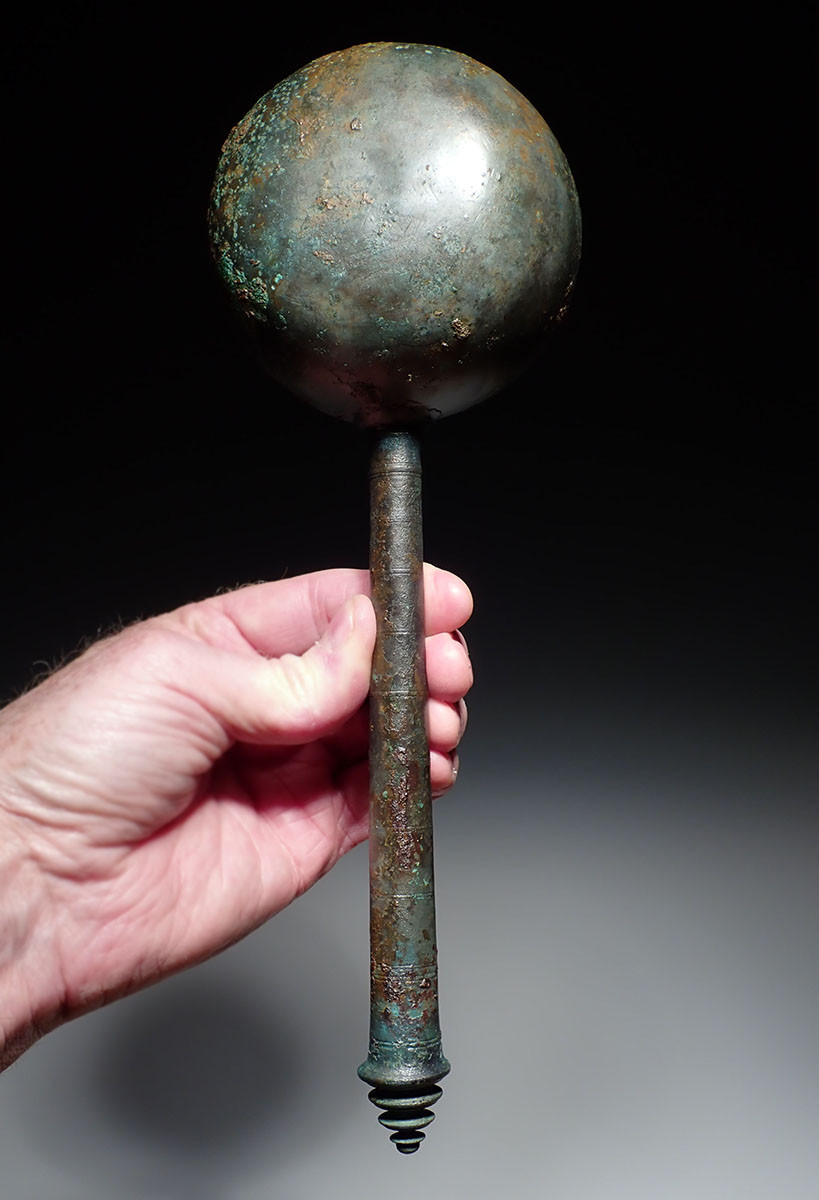
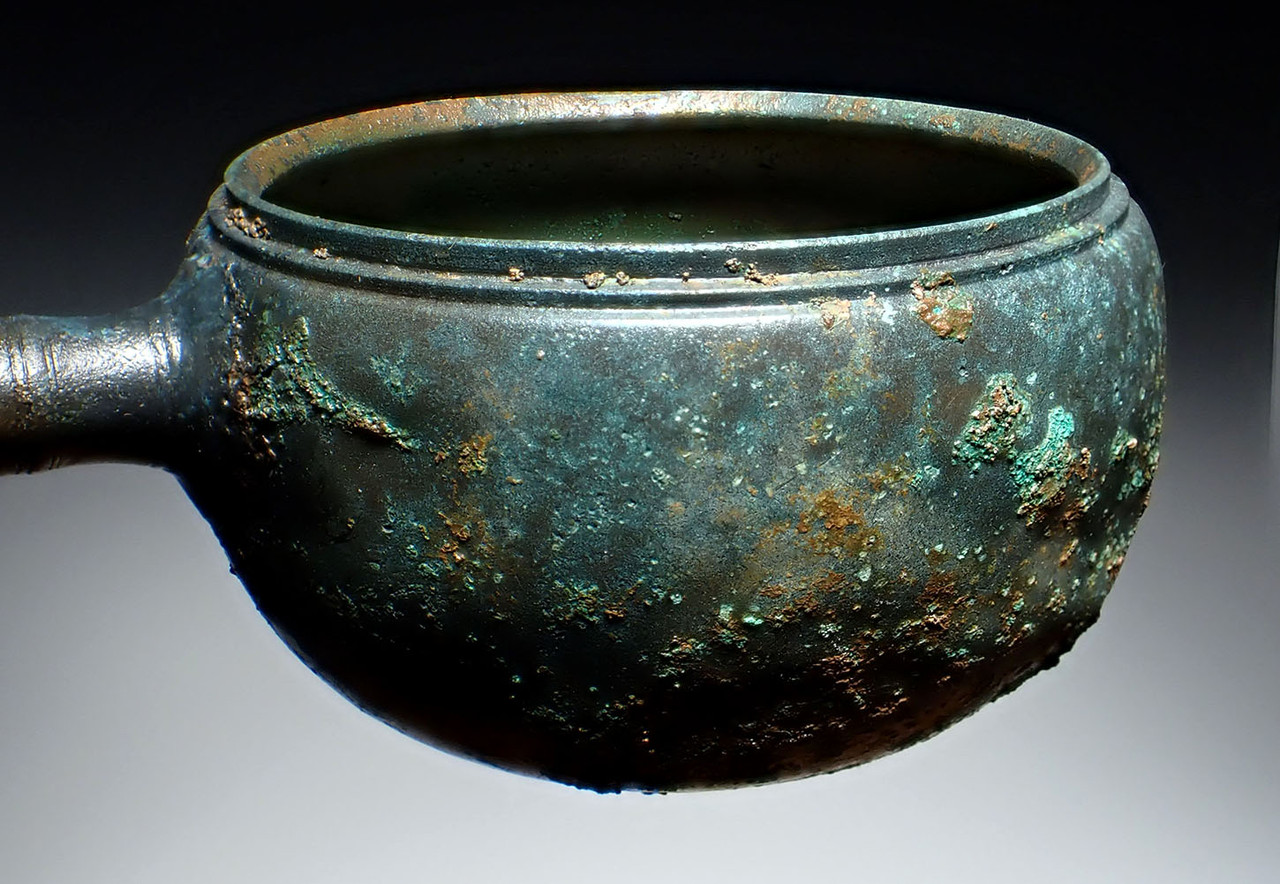
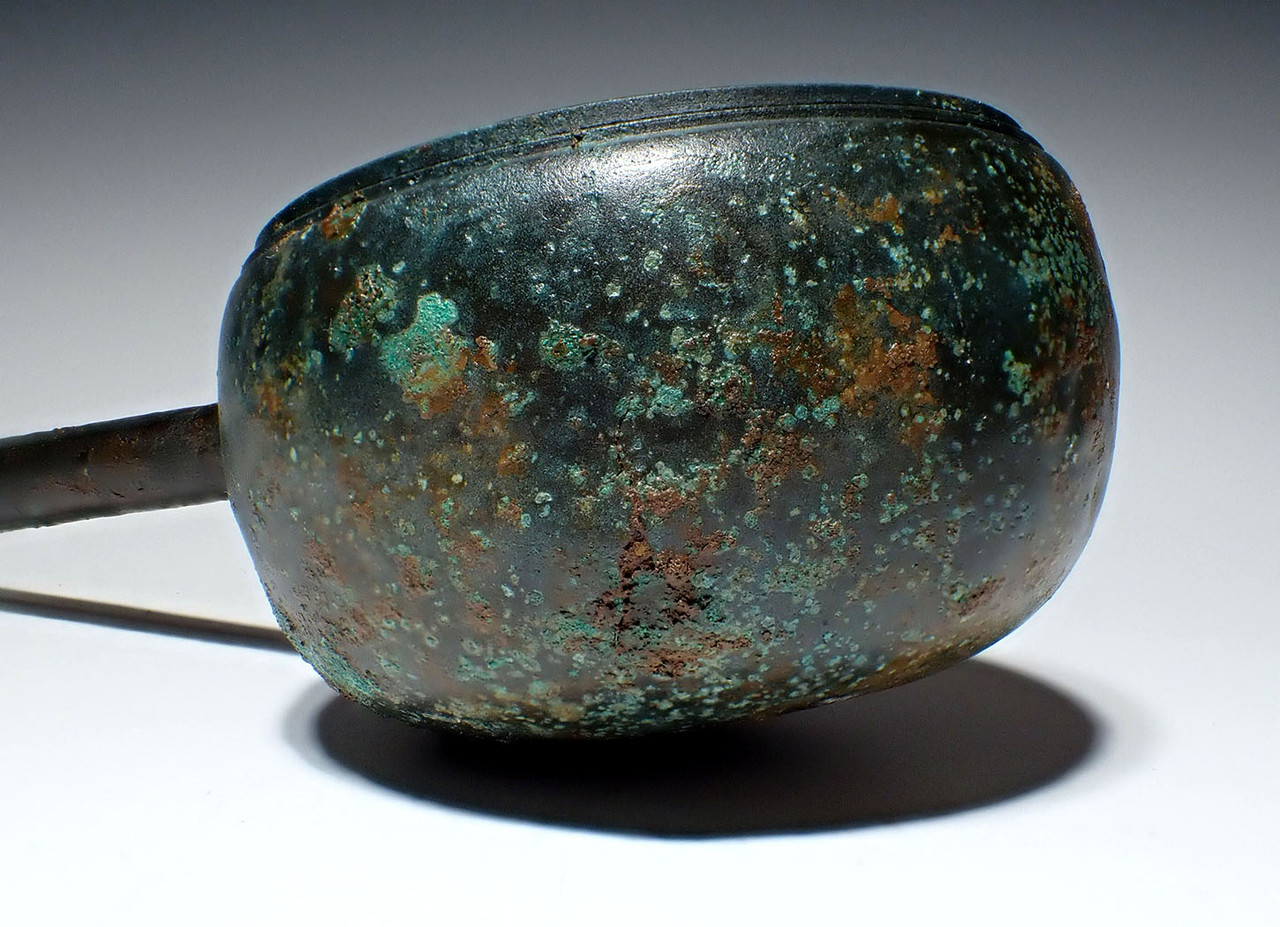
KHMER EMPIRE ANGKOR BRONZE CEREMONIAL BLESSING CUP LADLE FROM SOUTHEAST ASIA *SEA15
KHMER EMPIRE ANGKOR BRONZE CEREMONIAL BLESSING CUP LADLE FROM SOUTHEAST ASIA *SEA15
MSRP:
 US DOLLAR
 EURO
EURO
 AUSTRALIAN DOLLAR
 CANADIAN DOLLAR
 POUND STERLING