 US DOLLAR
 EURO
 AUSTRALIAN DOLLAR
 CANADIAN DOLLAR
 POUND STERLING

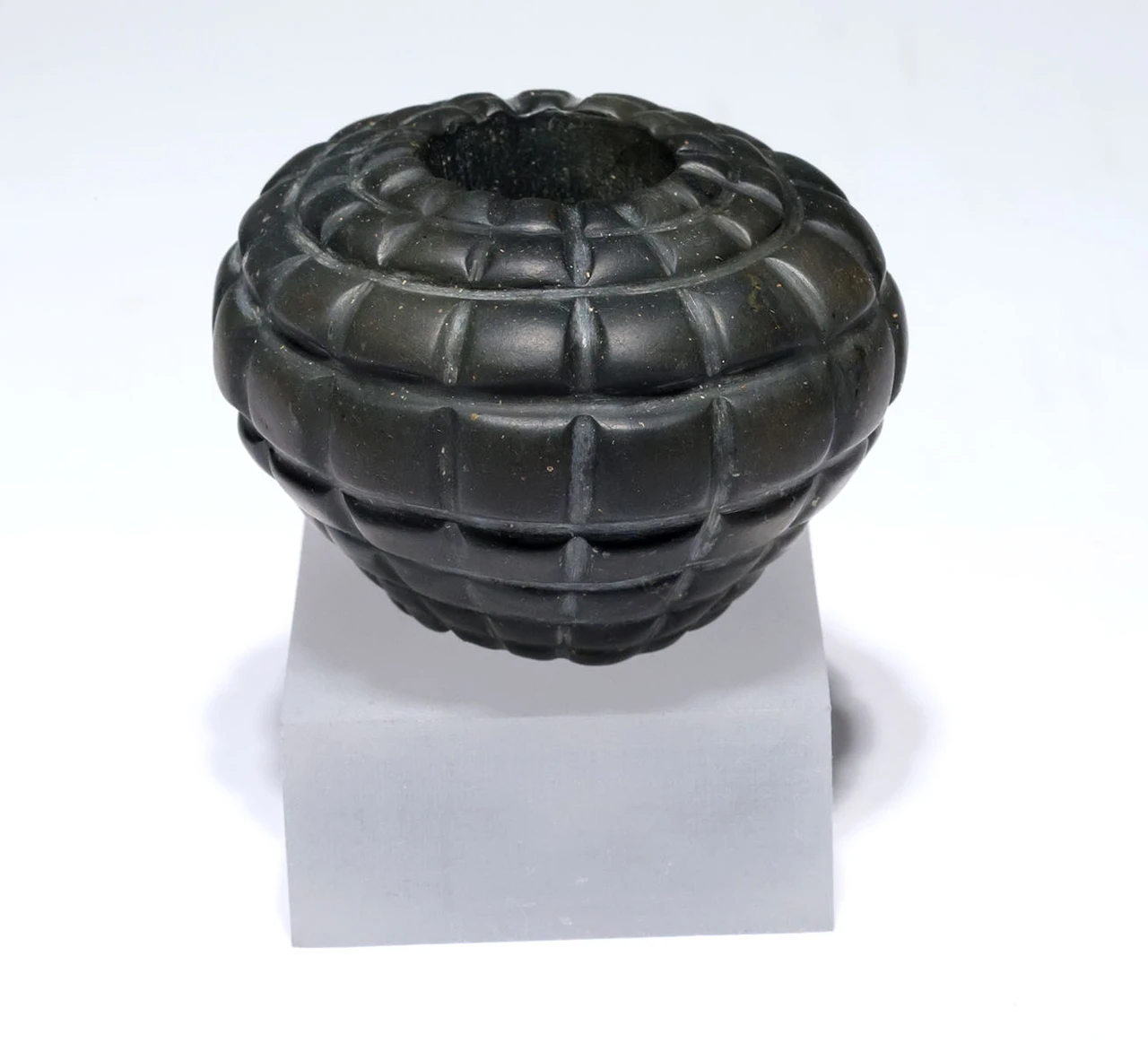









Product Description
SEE MORE PRE-COLUMBIAN ARTIFACTS
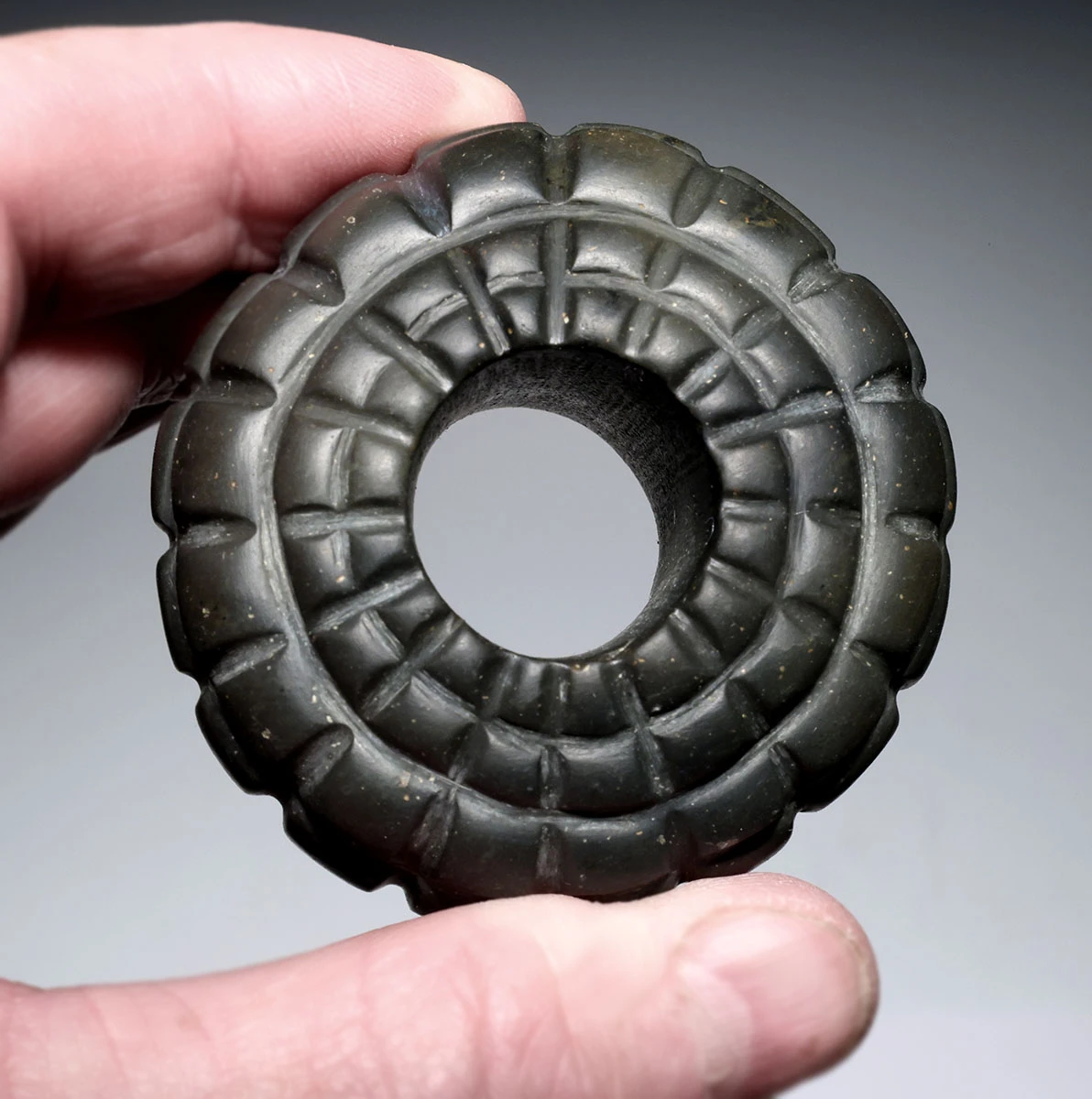
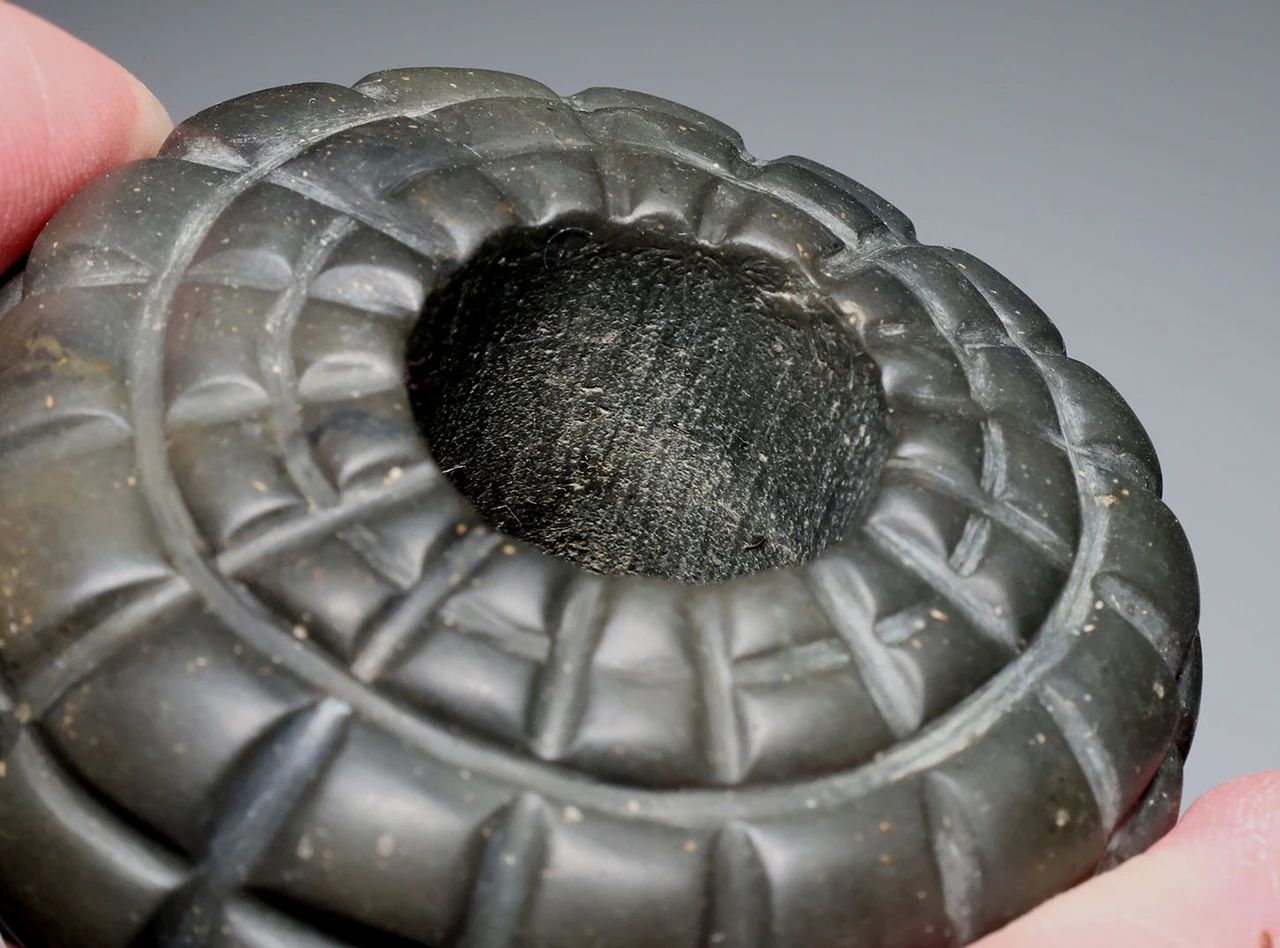
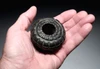
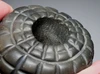
With remarkable aesthetics, this intricately carved Pre-Columbian war mace head comes from the South American Chavin culture. It was masterfully carved of hardstone and is complete with no damage and perfect preservation. The Chavin culture was not known for their warfare but they did have a special social structure of a small number of ruling elite shamans controlling the society. It is likely this was carried and displayed by a noble ruler in a show of power and royal rank rather than a weapon to be used in combat.
Microscopic ancient sediment deposits are in all micro-crevices with no modern grinding marks - traits only seen on authentic ancient ground stone objects. This is such an impressive mace head with stunning beauty and workmanship in its "hand grenade" motif design. It would be a prize acquisition for any advanced collection featuring a complete array of Pre-Columbian objects of nobility and art.
HISTORY
The Chavín culture was a Pre-Columbian civilization, developed in the northern Andean highlands of Peru around 900 B.C., ending around 250 B.C.. It extended its influence to other civilizations along the Peruvian coast. In Pre-Columbian Peru, the Chavín is the main culture of the Early Horizon period in highland Peru, characterized by the intensification of the religious cult, the appearance of ceramics closely related to the ceremonial centers, the improvement of agricultural techniques and the development of metallurgy and textiles.
The Chavín culture represents the first widespread, recognizable artistic style in the Andes. Chavín art forms make extensive use of the technique of contour rivalry. The art is intentionally difficult to interpret and understand, since it was intended only to be read by high priests of the Chavín cult, who could understand the intricately complex and sacred designs.


