US DOLLAR
 EURO
EURO
 AUSTRALIAN DOLLAR
 CANADIAN DOLLAR
 POUND STERLING




Product Description
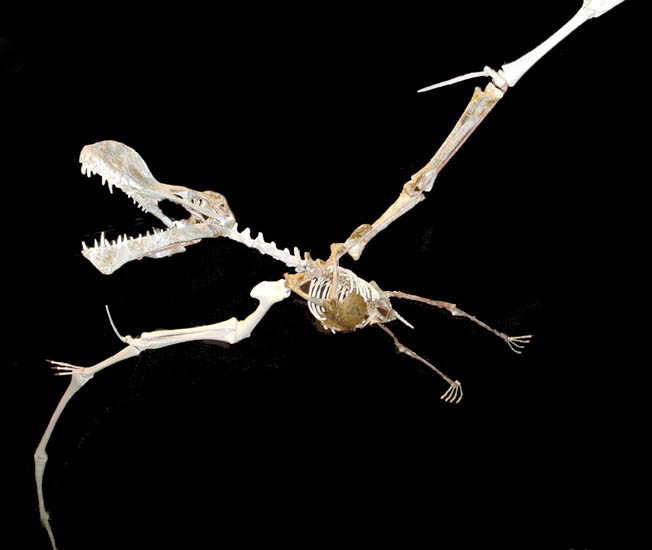
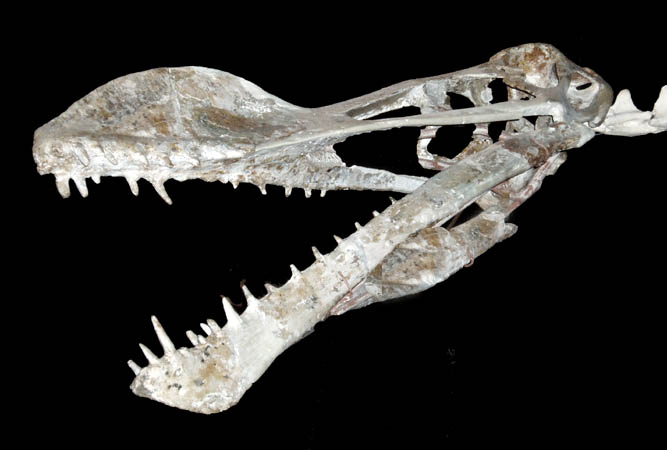
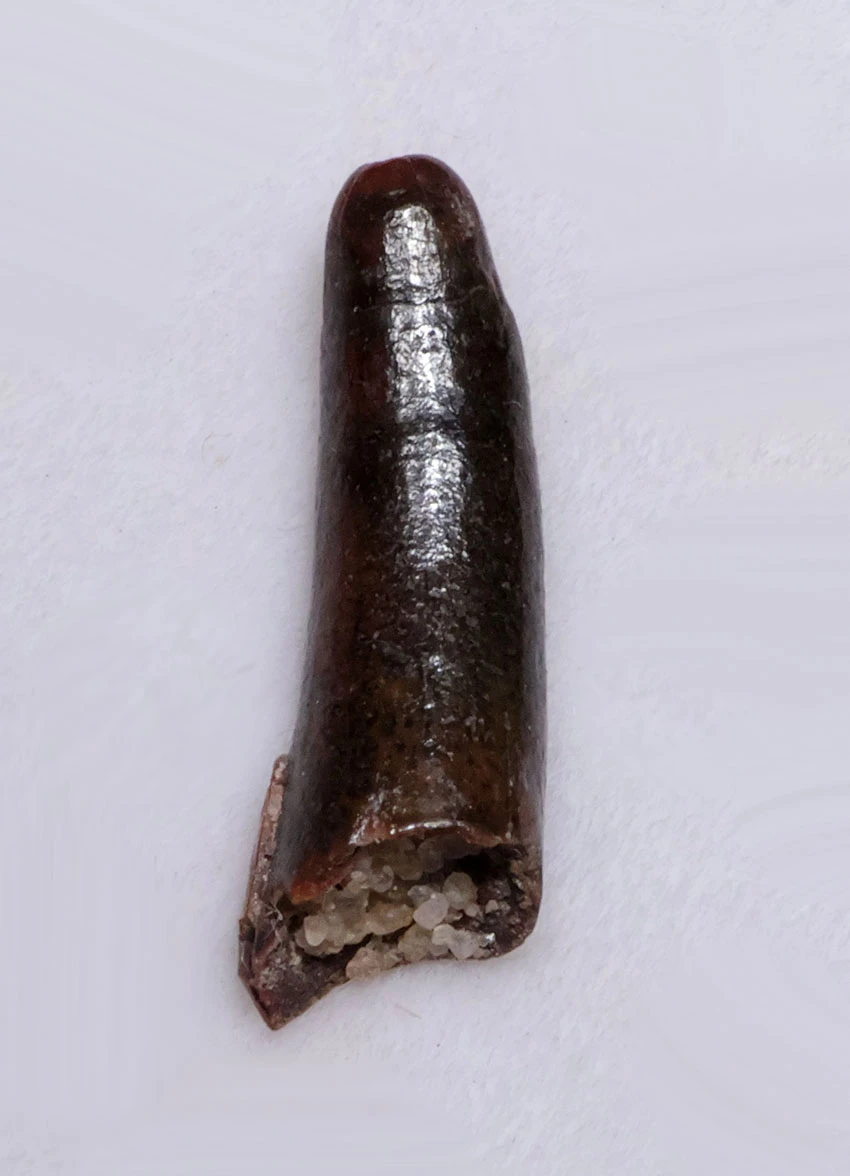
This is a complete fossil tooth from a prehistoric flying reptile from North Africa known as a PTEROSAUR. As of this posting, there are currently 13 different identified species of pterosaurs from the Kem Kem deposits in the northern Sahara. Because of the large number of different types discovered in the recent past, and due to the remains not always including teeth with the known type, it is impossible at this point in time to specifically attribute a tooth to a specific species from the formation. This tooth is complete and unbroken, in superb preservation with fine, naturally lustrous enamel. Most pterosaur teeth from the Kem Kem are in poor condition unlike this premium specimen.
HISTORY
Pterosaurs are an extinct clade of flying reptiles in the order Pterosauria. They existed during most of the Mesozoic: from the Late Triassic to the end of the Cretaceous (228 million to 66 million years ago). Pterosaurs are the earliest vertebrates known to have evolved powered flight. Their wings were formed by a membrane of skin, muscle, and other tissues stretching from the ankles to a dramatically lengthened fourth finger.
Pterosaurs were highly diverse in size, and some were the largest flying organisms in earth's history. Early pterosaurs of the Triassic and Jurassic periods were typically small animals with wingspans only up to 2 meters (6.6 ft), while most Cretaceous pterosaurs were larger. Some isolated specimens indicate exceptions to this rule, and the divisions of size across time may be a partial result of an incomplete fossil record. Anurognathids may have been the smallest pterosaurs, with wingspans of as small as 0.4 meters (1.3 ft), though the age of these individuals remains uncertain. The largest pterosaurs were members of Azhdarchidae such as Hatzegopteryx and Quetzalcoatlus, which could attain estimated wingspans of 10–11 meters (33–36 ft) and weights of 150–250 kilograms (330–550 lb).
REFERENCES:
https://dinodata.de/bibliothek/pdf_t/2023/s12542-022-00642-6.pdf
https://www.sciencedirect.com/science/article/pii/S2950117223000067