 US DOLLAR
 EURO
EURO
 AUSTRALIAN DOLLAR
 CANADIAN DOLLAR
 POUND STERLING






Product Description
SEE MORE AFRICAN NEOLITHIC FLAKE TOOLS
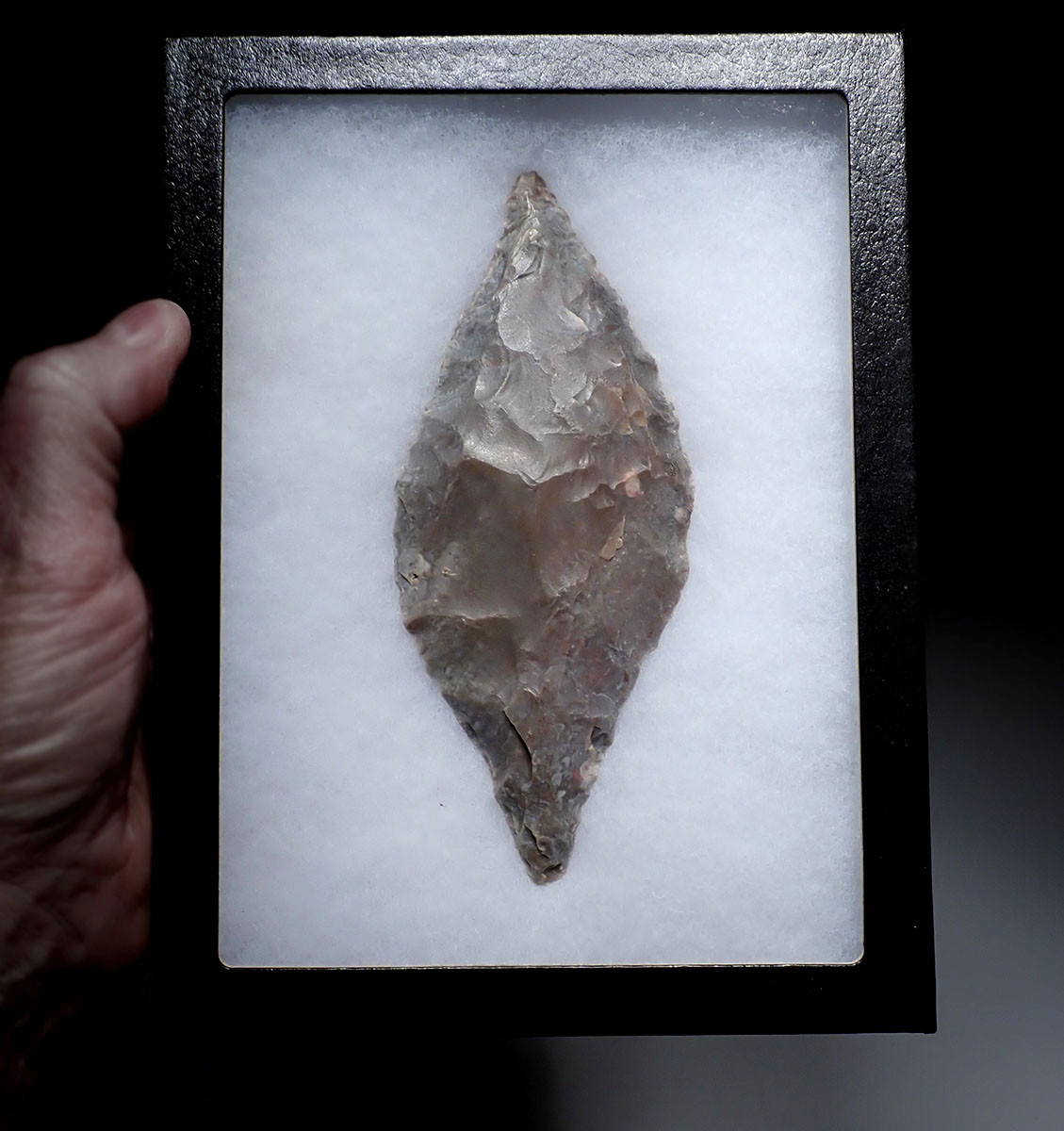
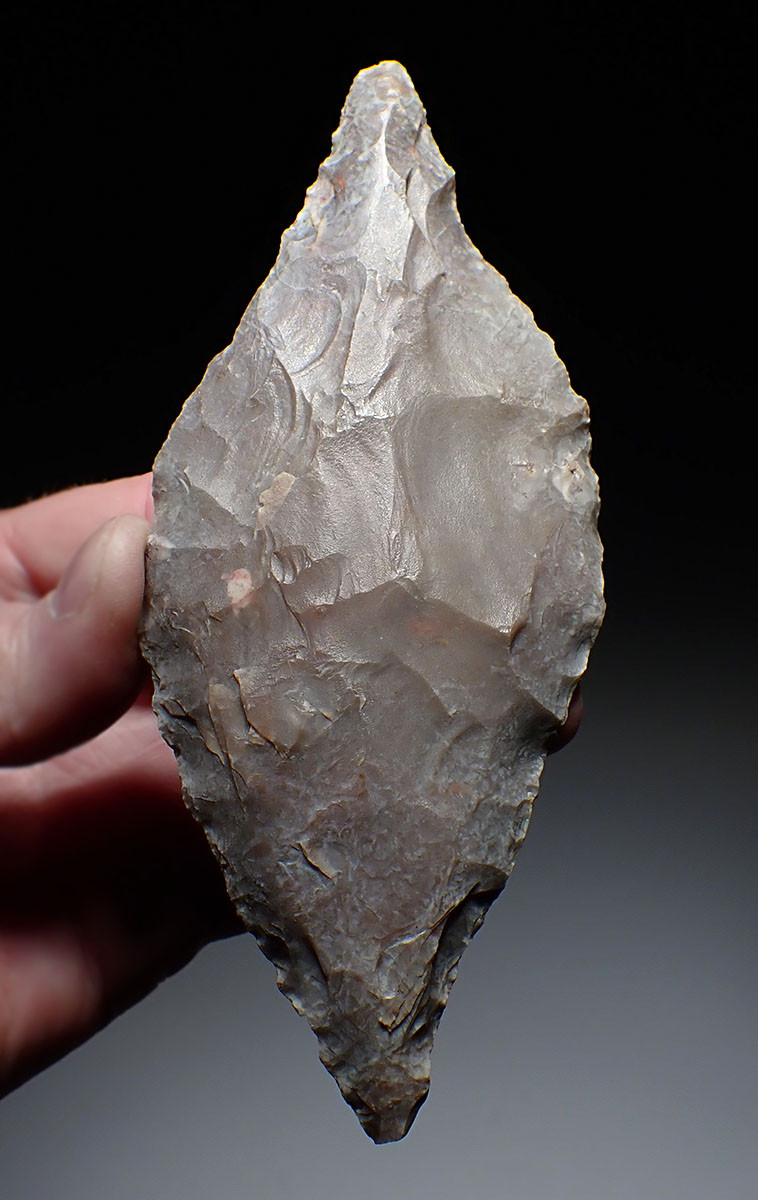
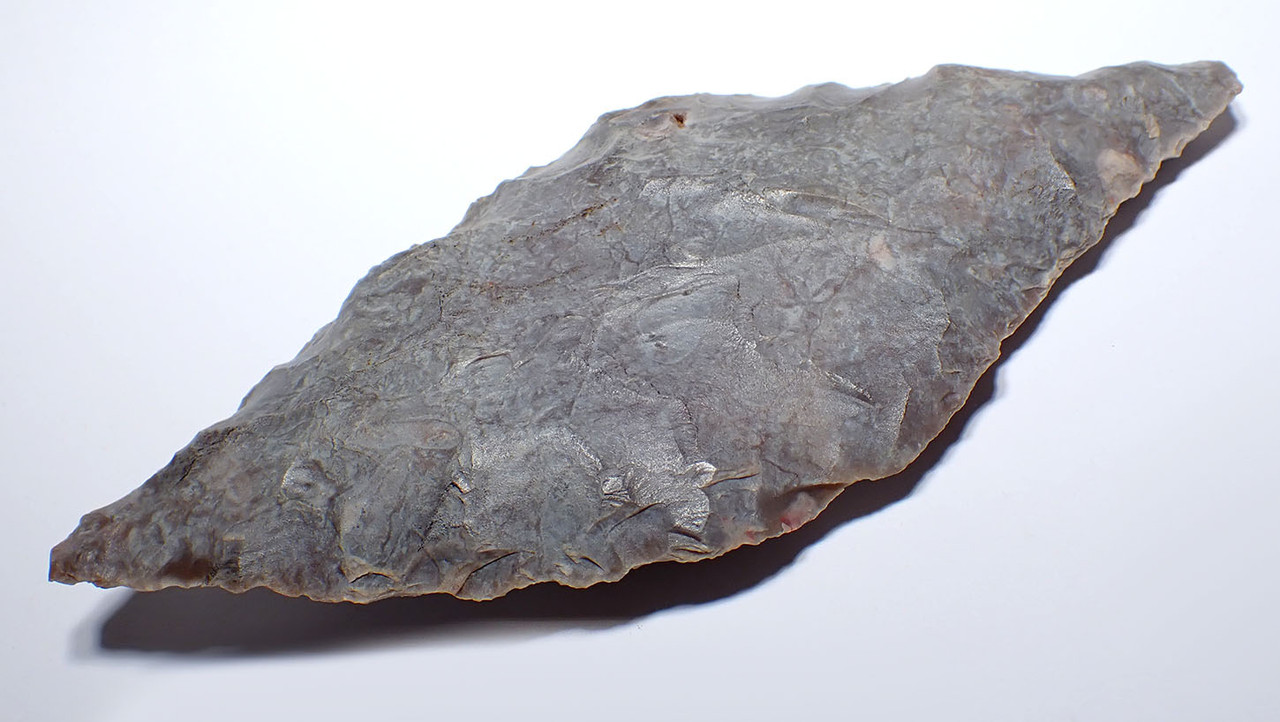
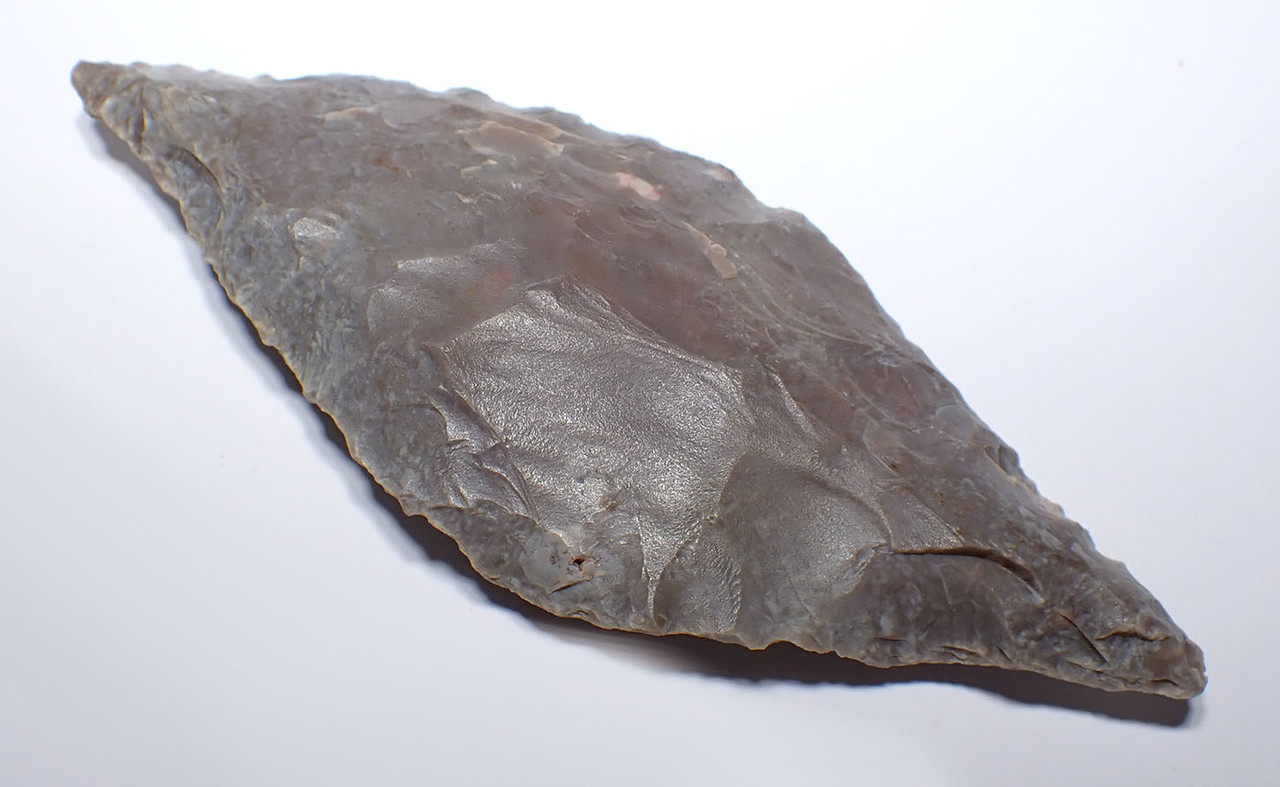
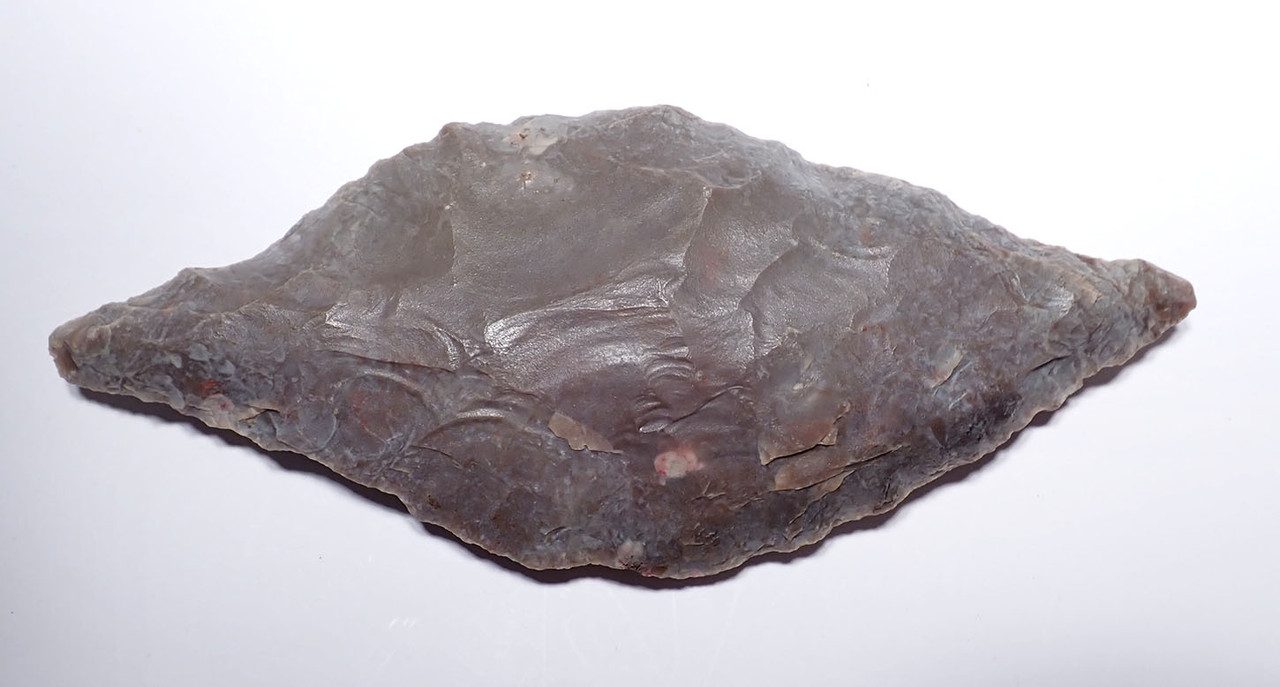
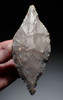
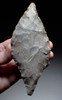
This Neolithic of Capsian Tradition artifact was found on an exposed African Neolithic site in the Sahara Desert in Northwest Africa. It was made and used by African Neolithic humans (Homo sapiens sapiens) between 5400 BC and 2700 BC.
We have been obsessively collecting the finest African Neolithic Capsian artifacts for over the past 25 years and this specimen comes from a small, select collection we have been holding onto for the duration of that time. Out of many past trips from a long time ago when we used to travel to the source in the Sahara, as well as having purchased several amazing private collections in America and Europe, we built an assembly of true museum pieces. In all this time, we would set aside the RAREST OF THE RAREST pieces of the Capsian Neolithic culture, and it is now time for us to sell some from this private, ultra-rare stash. The collection is small and limited with many pieces being one-of-a-kind examples - the best we had ever encountered in our lifetime and in publications. This is one of those precious specimens from those efforts. The sites where these specimens were once found, have been entirely picked clean for years and since our acquisitions, laws have since been put in place forbidding any further export.
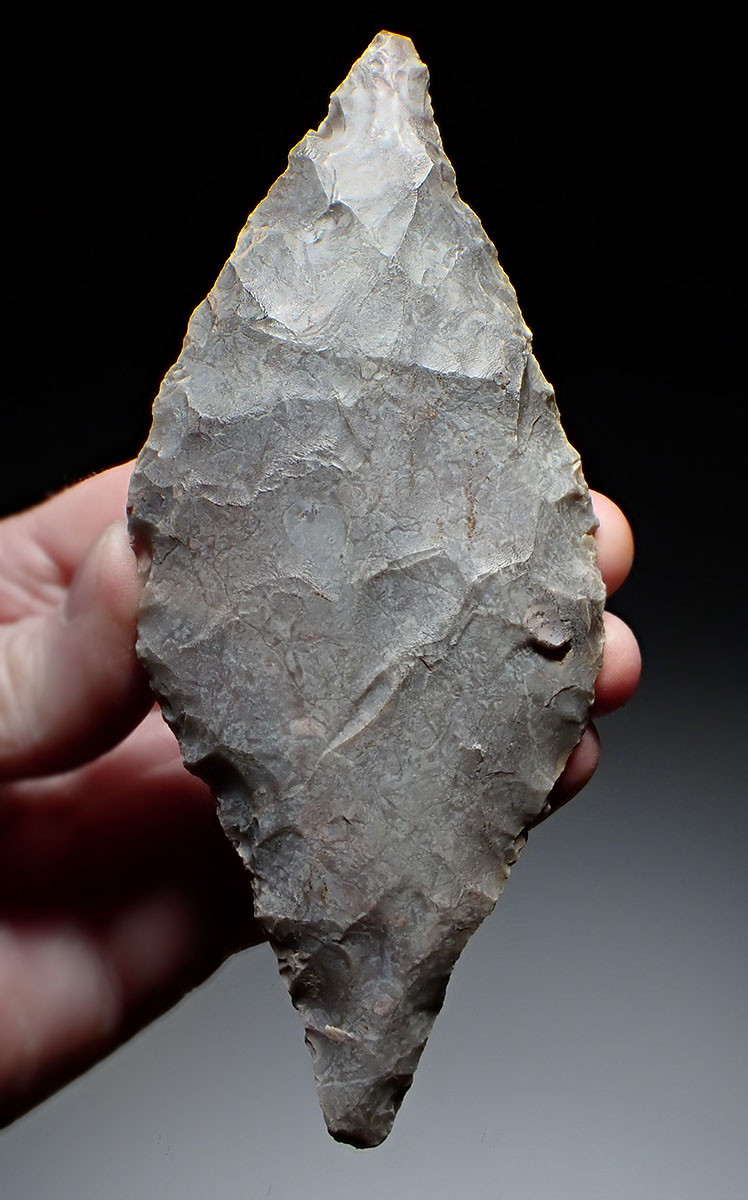
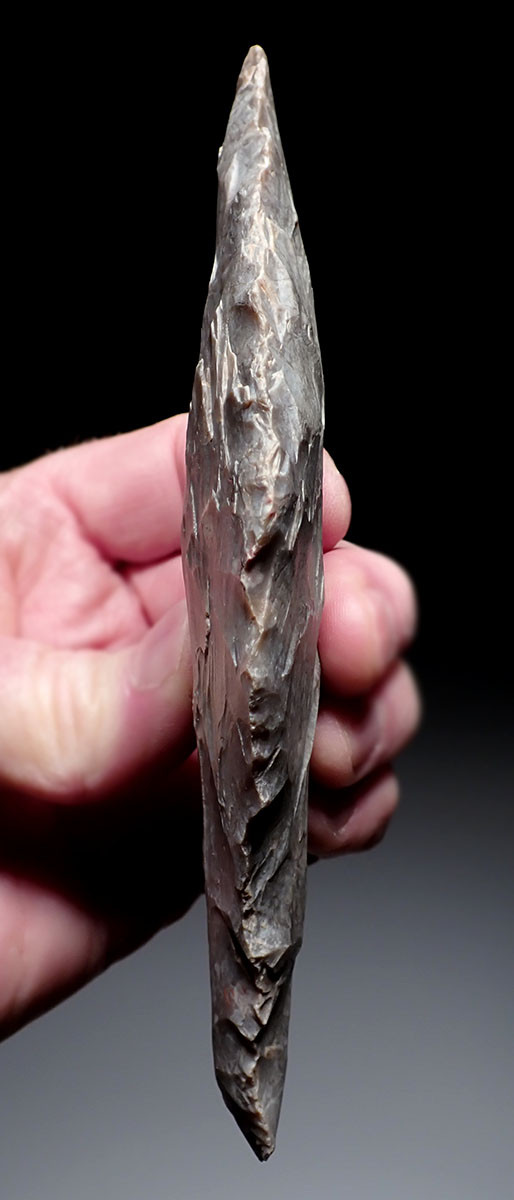
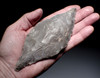
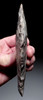
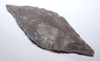
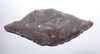
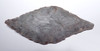
In 25 years of extensive working and collecting experience in Capsian Neolithic artifacts, this is the only time we have seen a Capsian Neolithic large leaf blade that was flaked to actually resemble an actual plant leaf with pointed tapering ends that have an aesthetic offset. This remarkable example was masterfully flaked in light purple plum flint that had taken on a blue-gray patina on one side. It is so beautiful and of a shape that appears more artistic than utilitarian, it seems to be more of a prestige object, or perhaps, used as a tool but a prestige tool that has been artistically made beyond what a normal leaf blade would have been needed to be flaked. It is very robust in its cross-section, with a spectacular perimeter that has been carefully knapped with secondary flaking on its entire edge, tip to tip. The purple plum flint is sometimes found in Northwest Saharan Neolithic flake tools but it is not a common lithic. Capsian Neolithic large bifacial leaf blades are RARE and this was likely a prized tool or a ritual object, especially having been made in a form that other leaf blades were not made in.
Original mineral deposits and patina are intact and deep in the flake hinge fractures and micro-crevices - traits ONLY found in AUTHENTIC specimens.