US DOLLAR
 EURO
EURO
 AUSTRALIAN DOLLAR
 CANADIAN DOLLAR
 POUND STERLING









Product Description
SEE MORE ANCIENT ASIAN ARTIFACTS
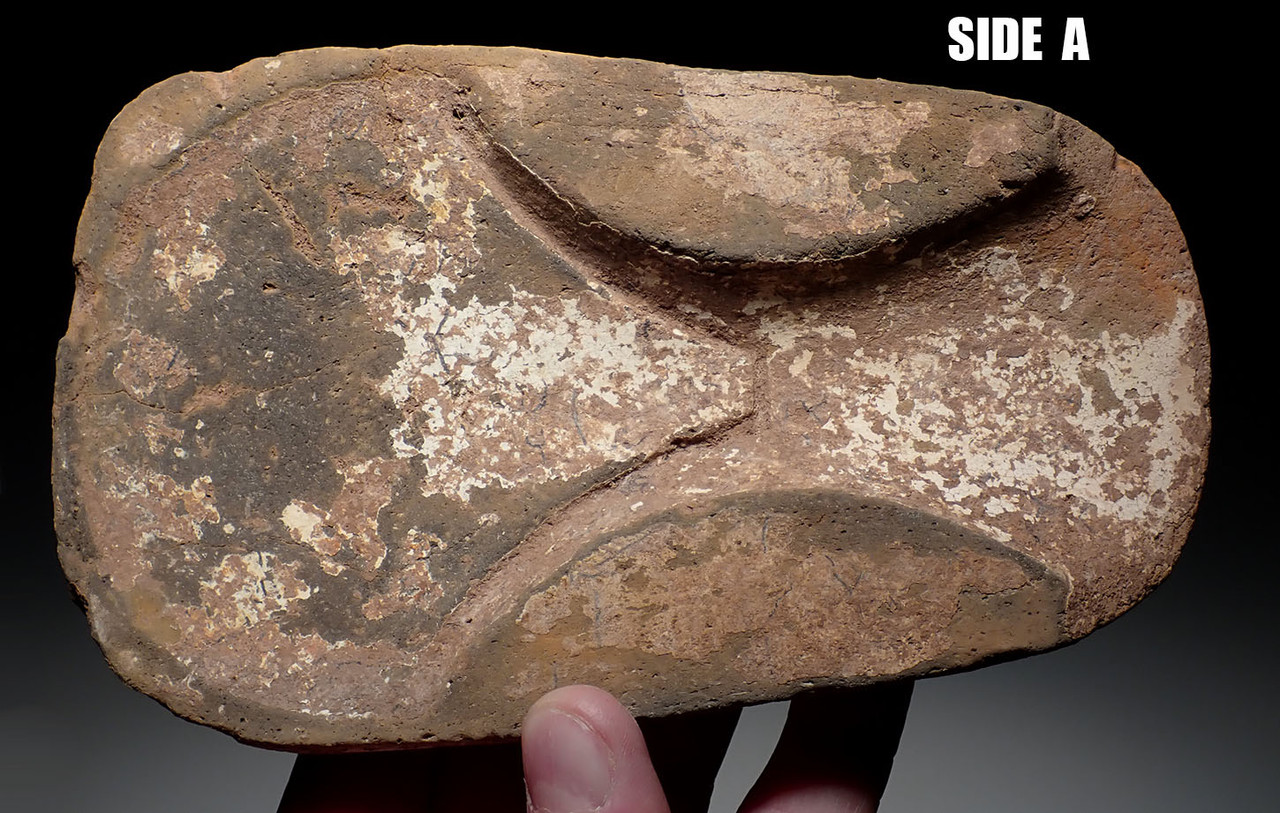
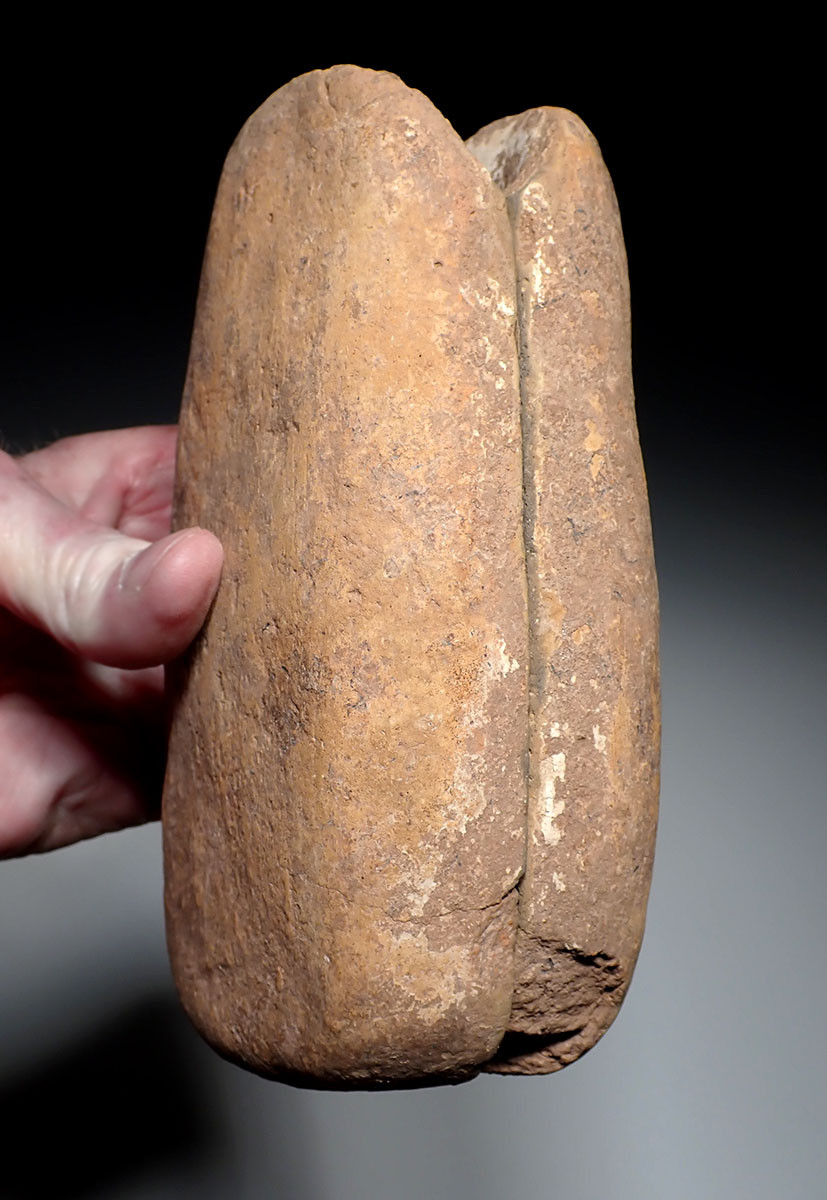
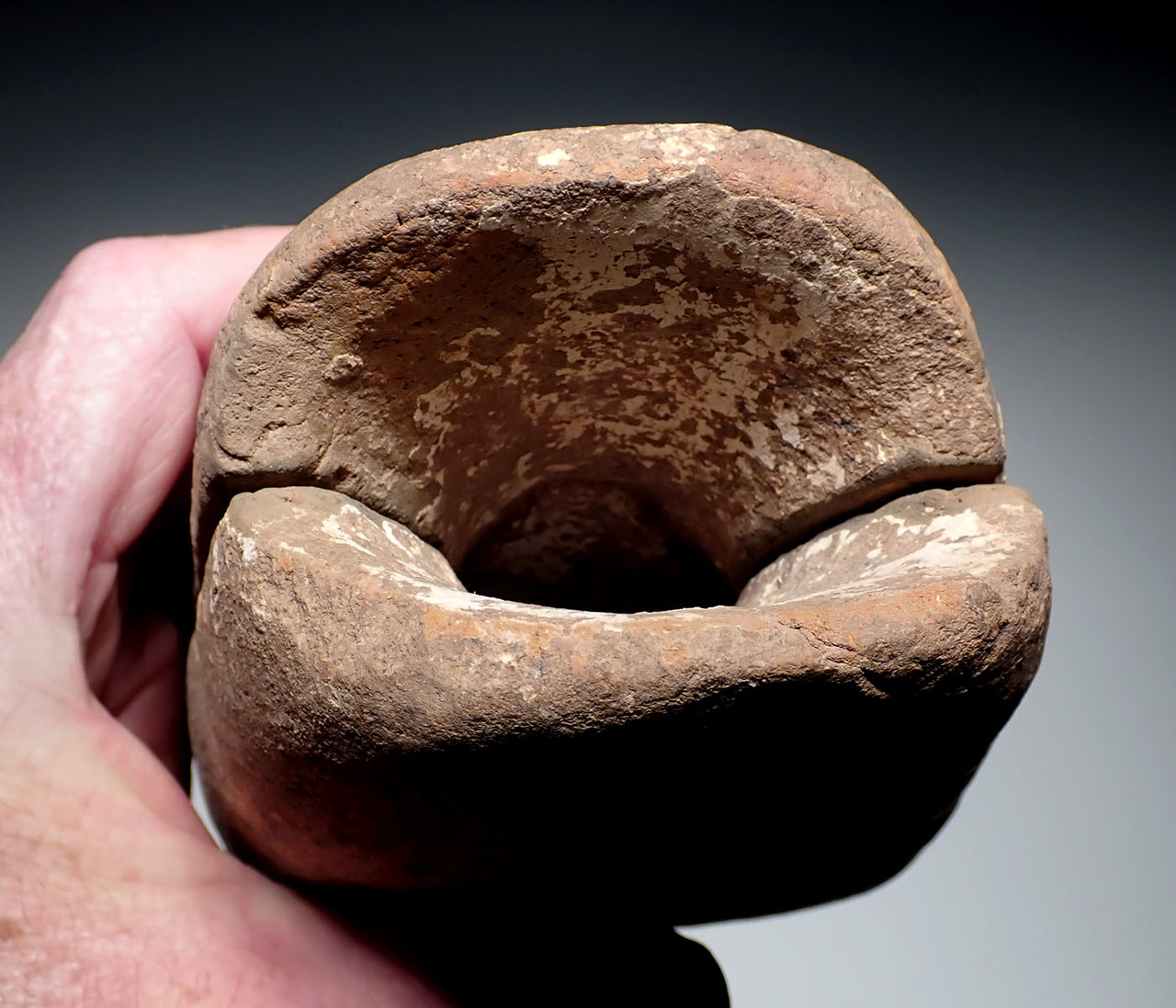
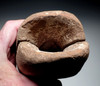
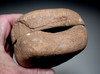
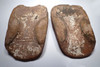
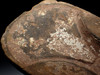
In over 30 years of working with thousands of ancient objects, this is only the SECOND time we have had the rare opportunity of acquiring an ancient Bronze Age metal casting mold, from ANY culture! Dating from 1000 BC to 100 AD, this terra cotta ancient war axe casting mold was made and used by the Lac Viet people of the Dong Son culture of Southeast Asia. The Dong Son culture is believed to be Asia's first civilization for ancient bronze casting. In constant conflict with the Chinese to the north, Lac Viet warriors carried a wide variety of weapons including crossbows, hatchets, spears, javelins, daggers, and shields. Warfare was a common part of life in their struggle to exist. The Dong Son civilization ended when the Chinese Han Dynasty successfully invaded present-day Vietnam in the 2nd century B.C..
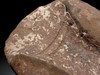
This two part mold would have been used to cast large war axes. It is completely intact with both sides showing actual charring and deposits from ancient use. Words just cannot emphasize how rare this specimen is. Furthermore, it is in PERFECT, UNBROKEN preservation! This would make the ultimate museum display to show with various cast axes set aside this amazing casting mold. Ancient metallurgy employed both, lost-wax casting, sand-casting and in this example, mold casting. This is a true once-in-a-lifetime opportunity to acquire something that only presented itself to us once, despite over 30 years of intense collecting.
HISTORY
The Dong Son culture (named for Đông Sơn, a village in Vietnam) was a Bronze Age culture in ancient Vietnam centered at the Red River Valley of northern Vietnam from 1000 BC until the first century AD. It was the last great culture of Văn Lang and continued well into the period of the Âu Lạc state. Its influence spread to other parts of Southeast Asia, including Maritime Southeast Asia, from about 1000 BC to 1 BC.
The Dong Son people, who are also known as Lạc or Lạc Việt, were skilled at cultivating rice, keeping water buffalo and pigs, fishing and sailing in long dugout canoes. They also were skilled bronze casters, which is evidenced by the Dong Son drum found widely throughout northern Vietnam and South China.
The origins of Đông Sơn culture may be traced back to ancient bronze castings. Scholars traditionally traced the origins of bronze-casting technology to China but during the 1970s archaeological discoveries in Isan, Thailand found that the casting of bronze either began in Southeast Asia first then spread into China, or that it developed the practice independently from China. The Đông Sơn bronze industry therefore has a local origin in Southeast Asia rather than being introduced by migrations out of China. The Gò Mun culture gave rise to the Đông Sơn culture; the Đông Sơn was the culmination of the Bronze Age and the opening stage of the Iron Age.
The Dong Son people manufactured high-quality bronze weapons, including spears, halberds, axes, and arrowheads. Some of Dong Son bronze daggers closely resemble Scythe-Siberian styles. Bronze drums were used for war. The chief would summon the warriors of the tribe by beating the drum. Drums were also used for mourning, and during feasts. The scenes cast onto the drums show that Dong Son leaders had access to bronze founders of remarkable skill. Lost-wax casting was based on Chinese founders, but the scenes are local, including drummers and other musicians, warriors, rice processing, birds, deer, war vessels, and geometric designs.